Antique Firebacks: What You Need To Know
Antique Firebacks: Everything You Need to Know About Using & Caring for Them
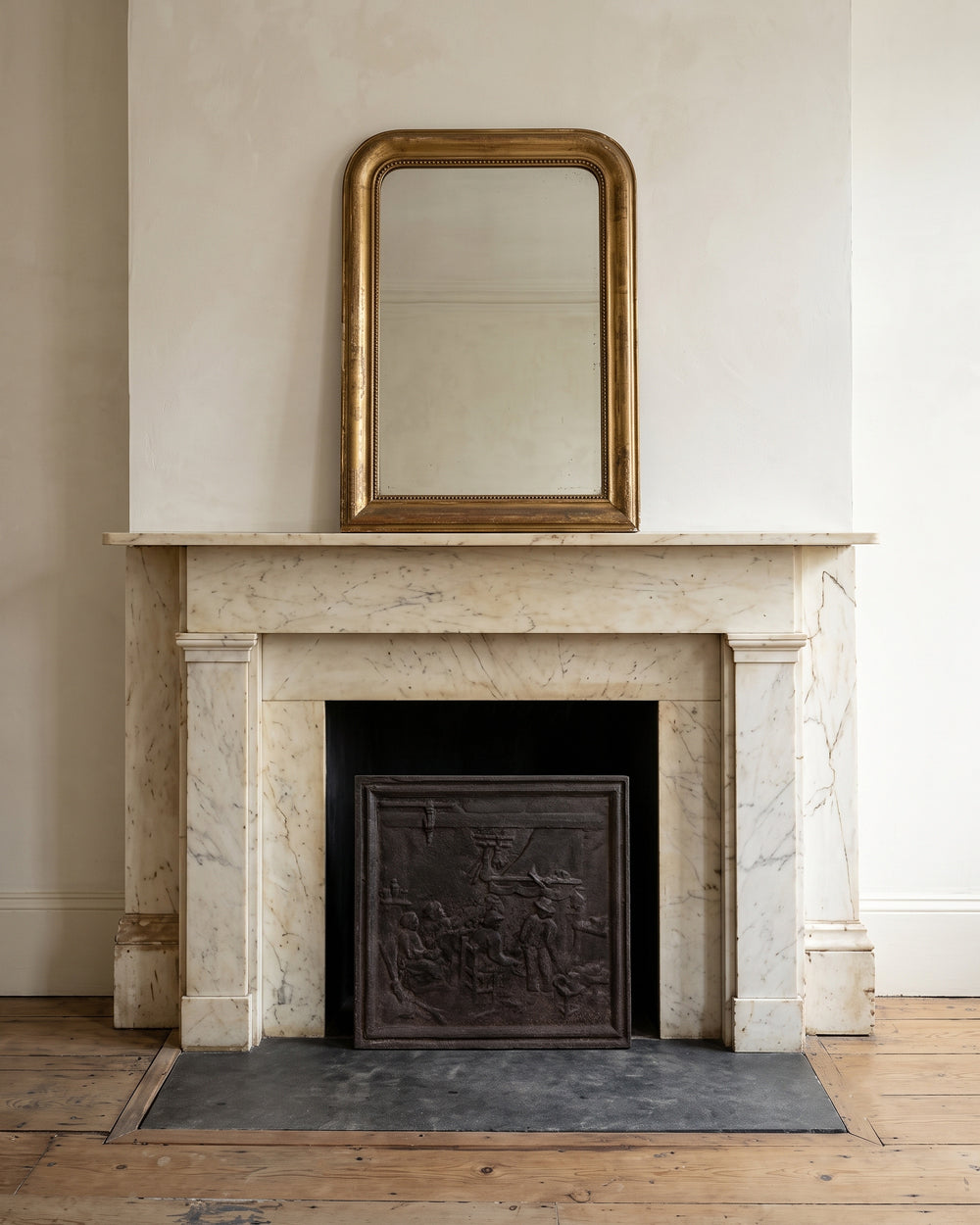
Today, antique firebacks have found a second life. Of course they still belong in traditional fireplaces, but they look just as striking behind a wood-burning stove, inside a modern gas fireplace, as a kitchen backsplash, or simply as a sculptural object in an unused hearth.
Whether you have just fallen in love with your first fireback or have been collecting them for years, here are our tips for using and caring for these remarkable pieces of history.
1. Let it do what it was made for
A fireback's original purpose was simple: to protect the back wall of a fireplace from the heat of the fire. At the same time, the cast iron absorbs warmth and slowly radiates it back into the room, making the fireplace slightly more efficient. Even after centuries, it still performs this task beautifully.
2. Don't limit it to the fireplace
One of our favourite ways to use an antique fireback is somewhere completely unexpected.
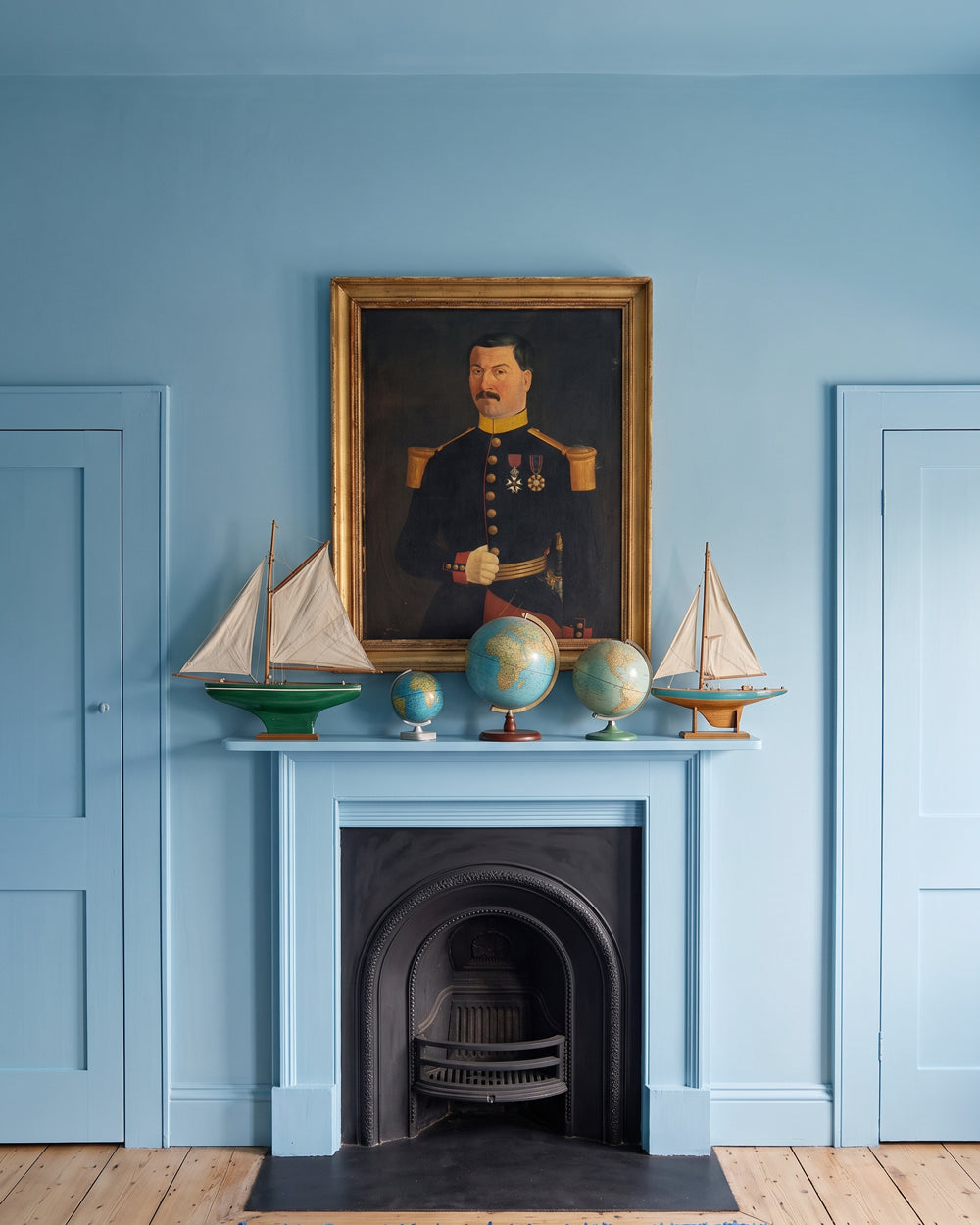
Place one behind a wood-burning stove to protect the wall behind it. Install it behind a cooking range as a characterful backsplash that easily withstands heat, steam and everyday splashes. Or place one inside an unused fireplace to instantly give the hearth purpose again. Sometimes the oldest solutions feel surprisingly contemporary.

3. Don't worry about a little rust
Cast iron naturally develops a light layer of surface rust from time to time. This is perfectly normal and does not affect the quality, strength or longevity of the fireback. A little character never hurt anyone.
4. Those aren't cracks
Many antique firebacks show long lines, grooves or irregular stripes across the back or edges. At first glance they may look like cracks. In reality, these marks usually date back to the manufacturing process. Firebacks were cast in sand moulds, often made with wooden planks, whose grain and joints left subtle impressions in the iron. These are part of the story of the piece and have no influence on its function.
5. Cast iron likes gentle treatment
Cast iron loves warmth, but it dislikes sudden extremes. At the beginning of the heating season, build a small fire first so the iron can warm up gradually. Likewise, never cool a hot fireback by throwing water or sand onto it. Rapid temperature changes can cause cast iron to crack. Slow and steady wins every time.
6. Bigger fires aren't better
Although incredibly durable, antique firebacks were never intended for roaring infernos. Avoid excessively large or prolonged fires. A calm, well-managed fire is kinder to both the fireback and your fireplace. Likewise, avoid burning tropical hardwoods, coal or briquettes, all of which generate considerably higher temperatures than traditional firewood.
7. Secure it properly
A fireback is wonderfully heavy, which is exactly why it deserves proper support. When used inside a fireplace or behind a stove, secure it firmly using suitable mounting brackets so it cannot tip or fall. If displayed on a wall, we recommend using at least two brackets at the bottom and one or two at the top, depending on the size and weight of the piece.
8. Maintenance is wonderfully simple
One of the nicest things about antique firebacks is that they ask very little of you.
Most pieces are treated with stove polish or antique wax before they leave our workshop. Beyond the occasional touch-up, there is very little maintenance required. Should a little surface rust appear, simply refresh the finish with stove polish for black or grey firebacks, or antique wax for brown enamelled examples.
9. A little cleaning goes a long way
If your fireback is used in an open fireplace, soot will gradually build up across the decoration.
Fortunately, this is easy to remove using a wire brush. Afterwards, reapply stove polish or antique wax and allow the finish to dry thoroughly before lighting another fire.
If the fireback is used as a kitchen backsplash, regular cleaning with warm water and a mild soap is usually all that's needed.
10. Let history become part of your home
Perhaps our favourite advice of all. A fireback doesn't have to hide in an old château or country cottage. It feels just as at home in a contemporary kitchen, a minimalist interior or behind a modern stove.
It brings texture where walls are flat. History where new materials can sometimes feel anonymous. And a quiet sense of permanence that only objects with centuries behind them seem able to possess. That's the beauty of antiques. They were never meant to become museum pieces. They were made to be lived with.
A final note
Every antique fireback has lived a different life. Small casting marks, gentle wear, minor chips or light surface rust are all part of that journey. They are not flaws but reminders that these pieces have already spent generations around the fire, and with a little care, they will happily continue for generations more.
If you'd like to explore our current collection, you'll find a carefully curated selection of antique French and European firebacks, each chosen for its craftsmanship and personality.