
The Ghost in the Glass: Why Mirrors Play Tricks on Us
It is no coincidence that, across centuries, mirrors have been cast as portals to the unseen. From the ornate salons of Versailles to dimly lit Victorian bedrooms, people have reported the same curious sensation: a flicker of movement that doesn’t quite belong, a face that seems to linger half a second too long, a presence hovering just beyond certainty.
So why do mirrors, of all things, invite ghosts so eagerly into the imagination?
The trick of perception
First, there is the simple but powerful trick of perception. Our brains are brilliant pattern-makers, but they are not infallible. In low light, reflections soften and edges blur. The mind begins to “fill in” gaps, sometimes inventing shapes or faces where none exist. Psychologists call this pareidolia—the same phenomenon that lets us see faces in clouds or figures in marble veining. In a mirror, especially an old one with foxing or age spots, this effect is amplified. The glass itself becomes a canvas for suggestion.
Prolonged staring
Then comes the uncanny effect of prolonged staring. Try this, if you dare: look at your own reflection in dim light for several minutes without breaking eye contact. Many people experience what researchers refer to as the strange-face illusion. Features begin to distort. The face may appear to morph, age, or transform into someone entirely unfamiliar. It is not a ghost, of course, but the brain momentarily losing its grip on stable visual processing. Still, in the right mood, it can feel profoundly otherworldly.
History whispering
There is also history whispering in the background. Mirrors were once rare, expensive, and slightly mysterious objects. Before modern manufacturing, their surfaces were imperfect, their reflections dimmer, almost liquid. It is easy to see how they earned a reputation as liminal objects, sitting somewhere between reality and illusion. Folklore across Europe suggested covering mirrors after a death, lest the soul become trapped within. In literature, from Through the Looking-Glass onward, mirrors are not just reflective but transformative—gateways rather than glass.
And there is "us"
And then, perhaps most compellingly, there is us. A mirror confronts us with ourselves, but never quite entirely. There is always a slight delay, a subtle separation between observer and observed. That tiny gap is enough for the imagination to slip through. In moments of fatigue, grief, or heightened emotion, the mind is more willing to project, to interpret, to believe.
Antique foxed mirrors
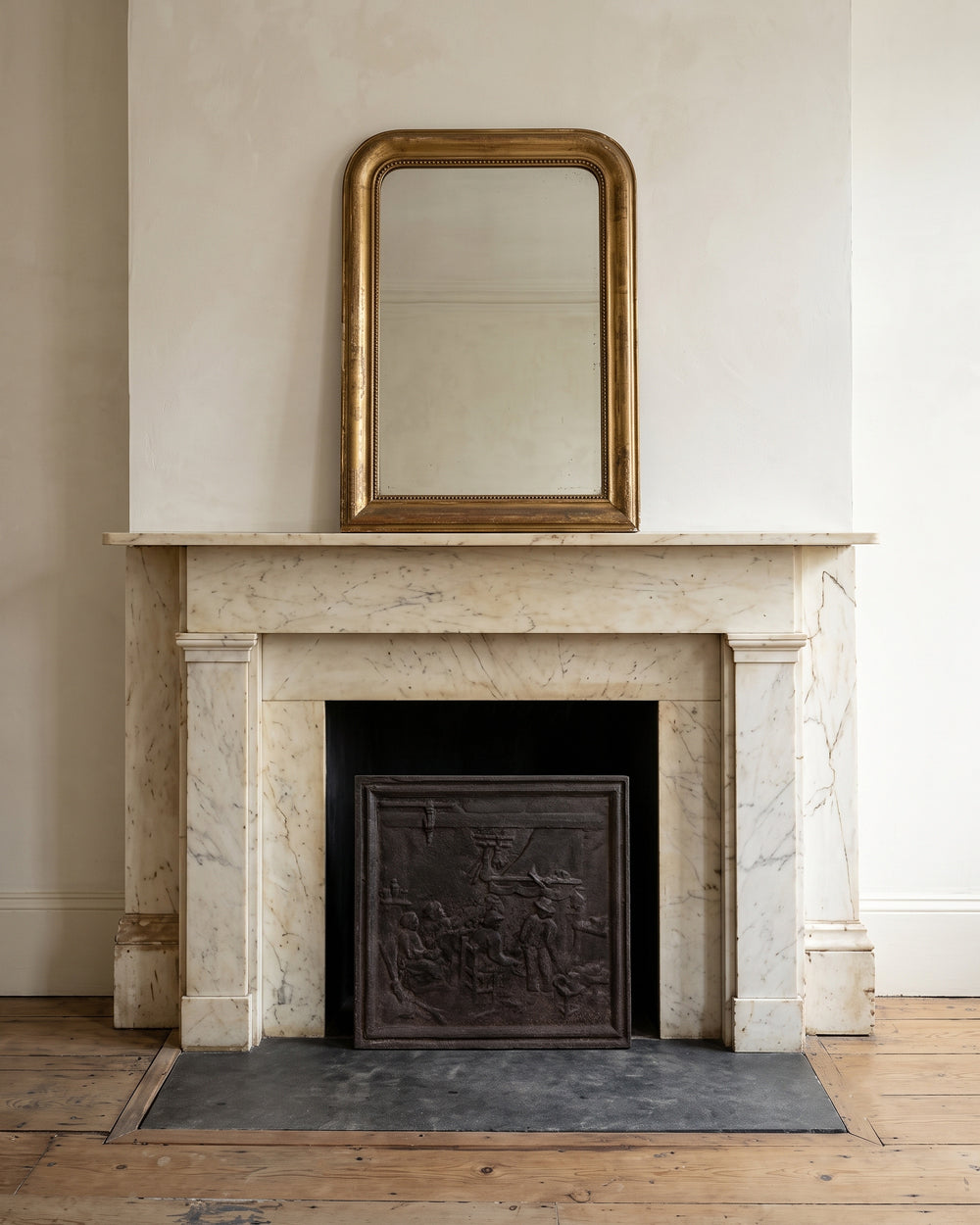
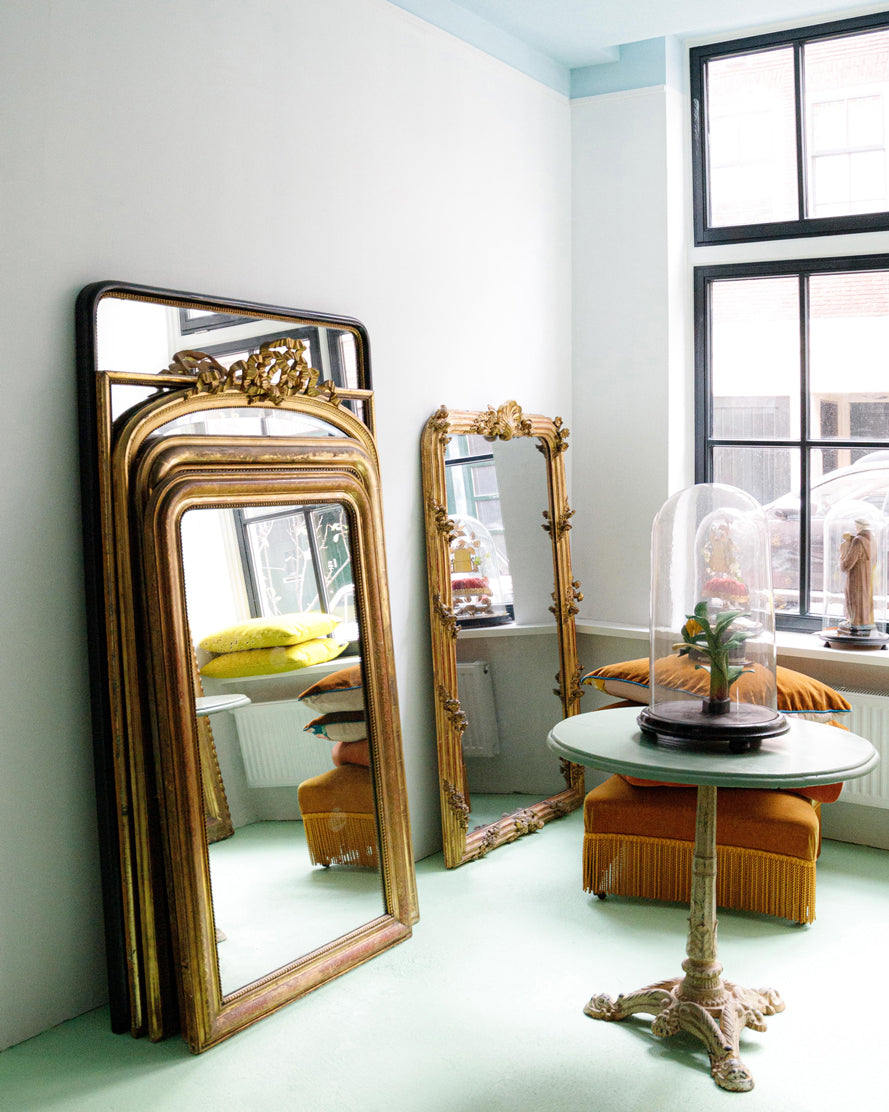
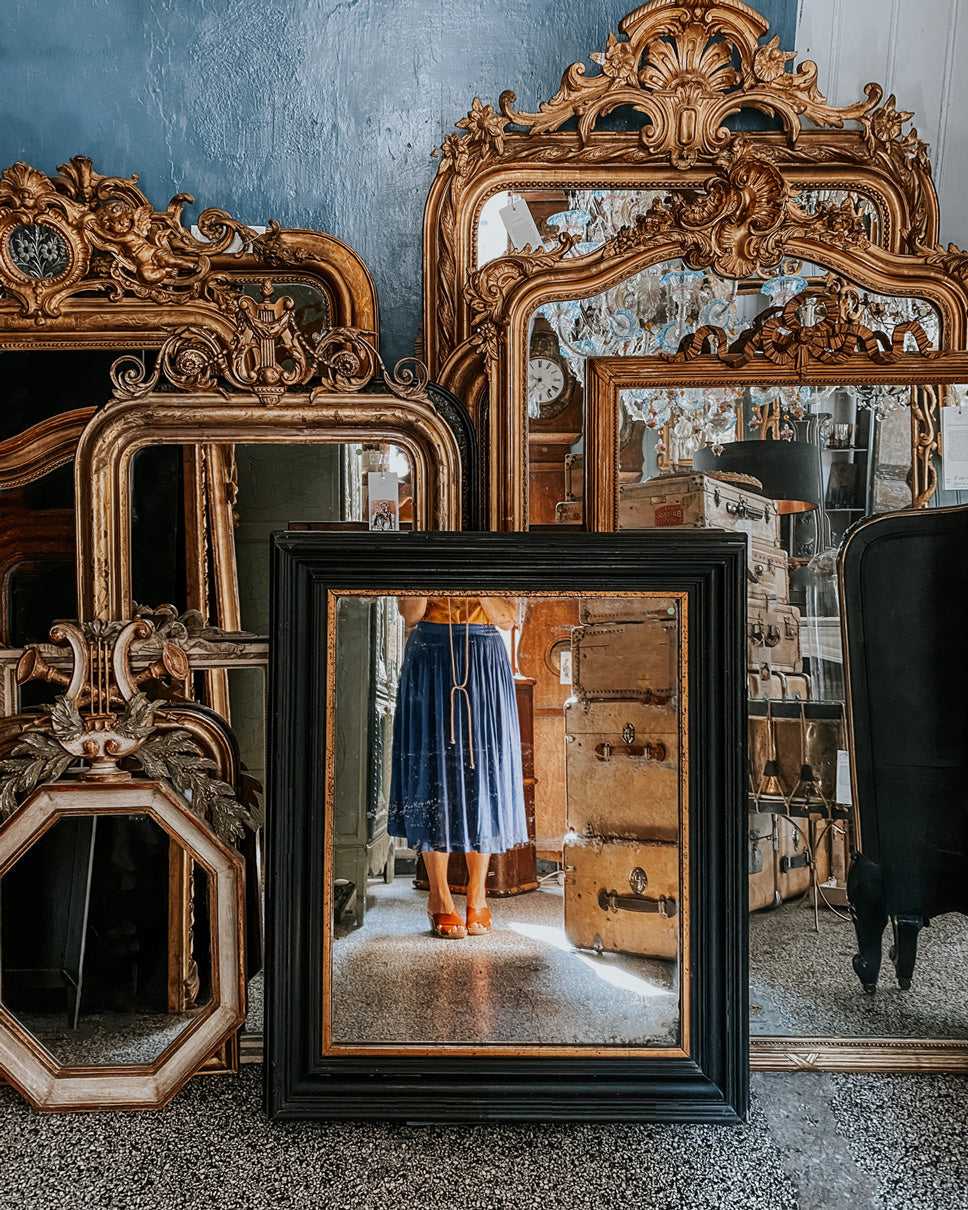
Antique mirrors, especially, carry an added layer of intrigue. Their foxed surfaces, their softly deteriorated silvering, their histories unknown. One might say they have “seen” things, though of course what they truly hold is time, not memory. Yet that patina, that gentle imperfection, invites storytelling in a way that a flawless modern mirror simply cannot.
So no, mirrors do not reveal ghosts. But they are exquisite stage sets for the theatre of the mind. They blur the line between what is there and what might be, between reflection and suggestion.
And occasionally, just occasionally, they make us wonder whether we are the only ones looking back.