
Portrait of a French Army Officer with a Great Moustache, circa 1855–1870
Or The Great-Great-Uncle Nobody Dared Contradict
Every family tree has one. The relative who walks into the room and the conversation simply reorganises itself around him. If our portrait wall is a salon of imaginary ancestors — and it is — then this magnificently moustachioed monsieur is the one at the head of the table who has Opinions, a Sabre, and absolutely No Intention of passing the salt until he has finished his story.
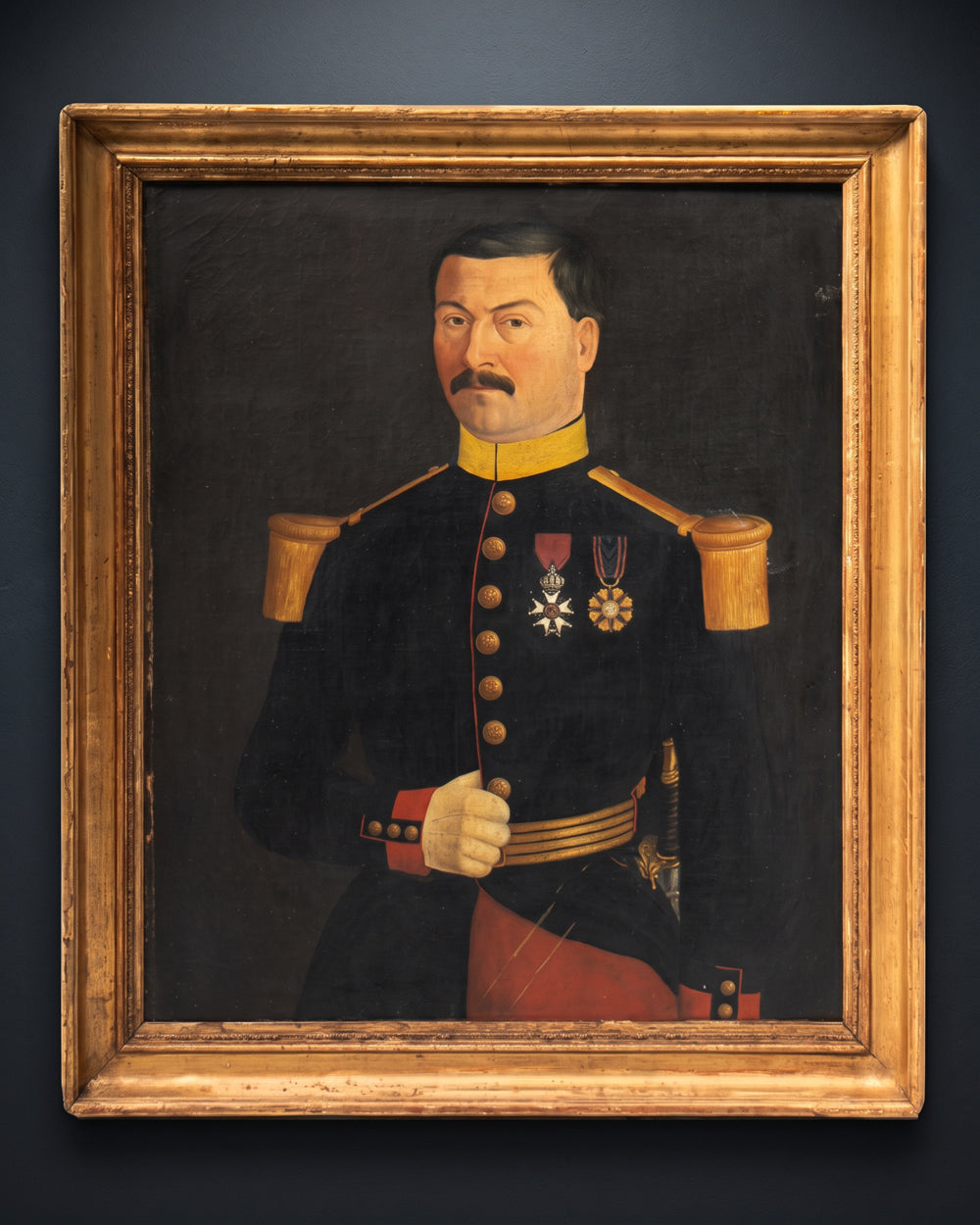
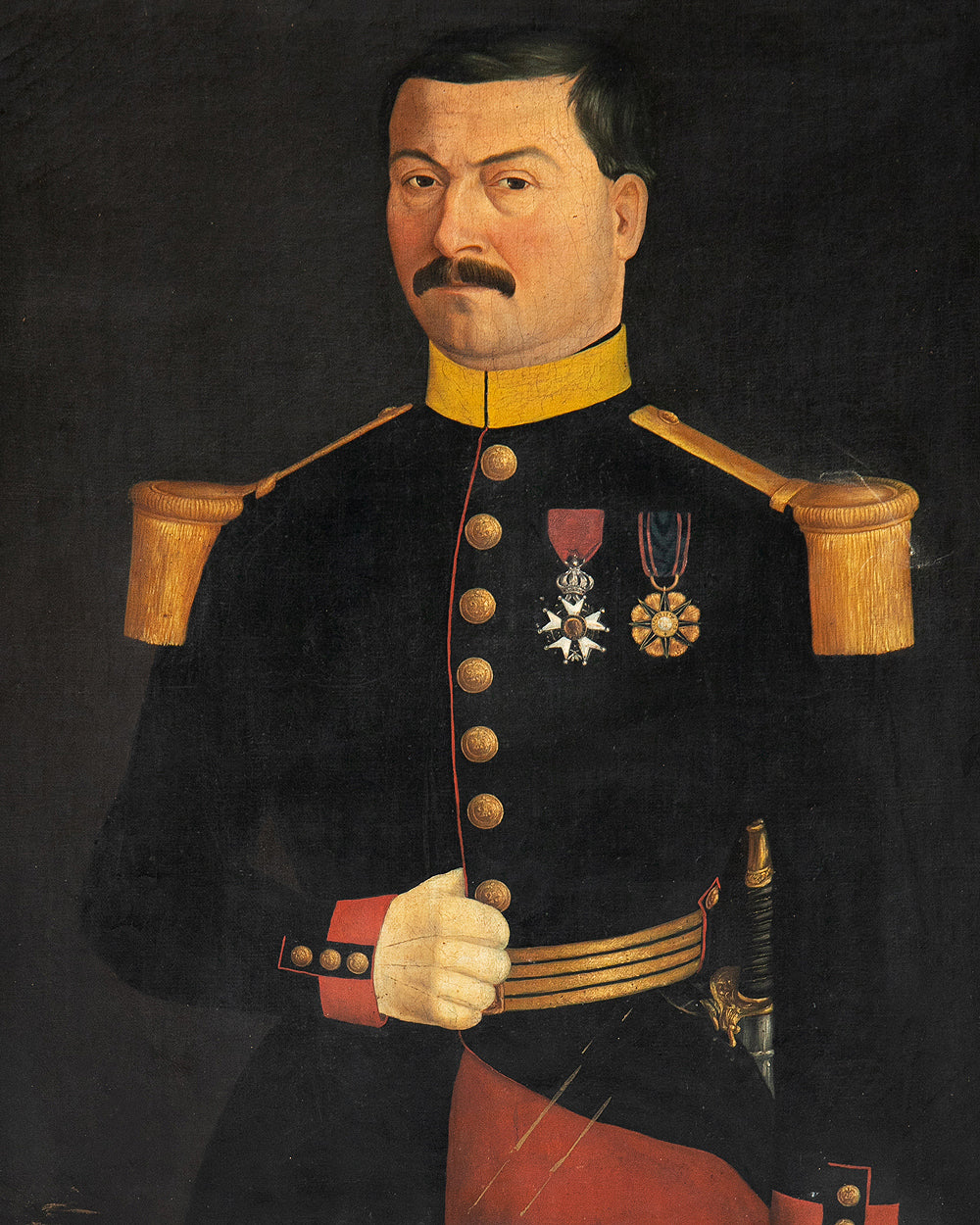
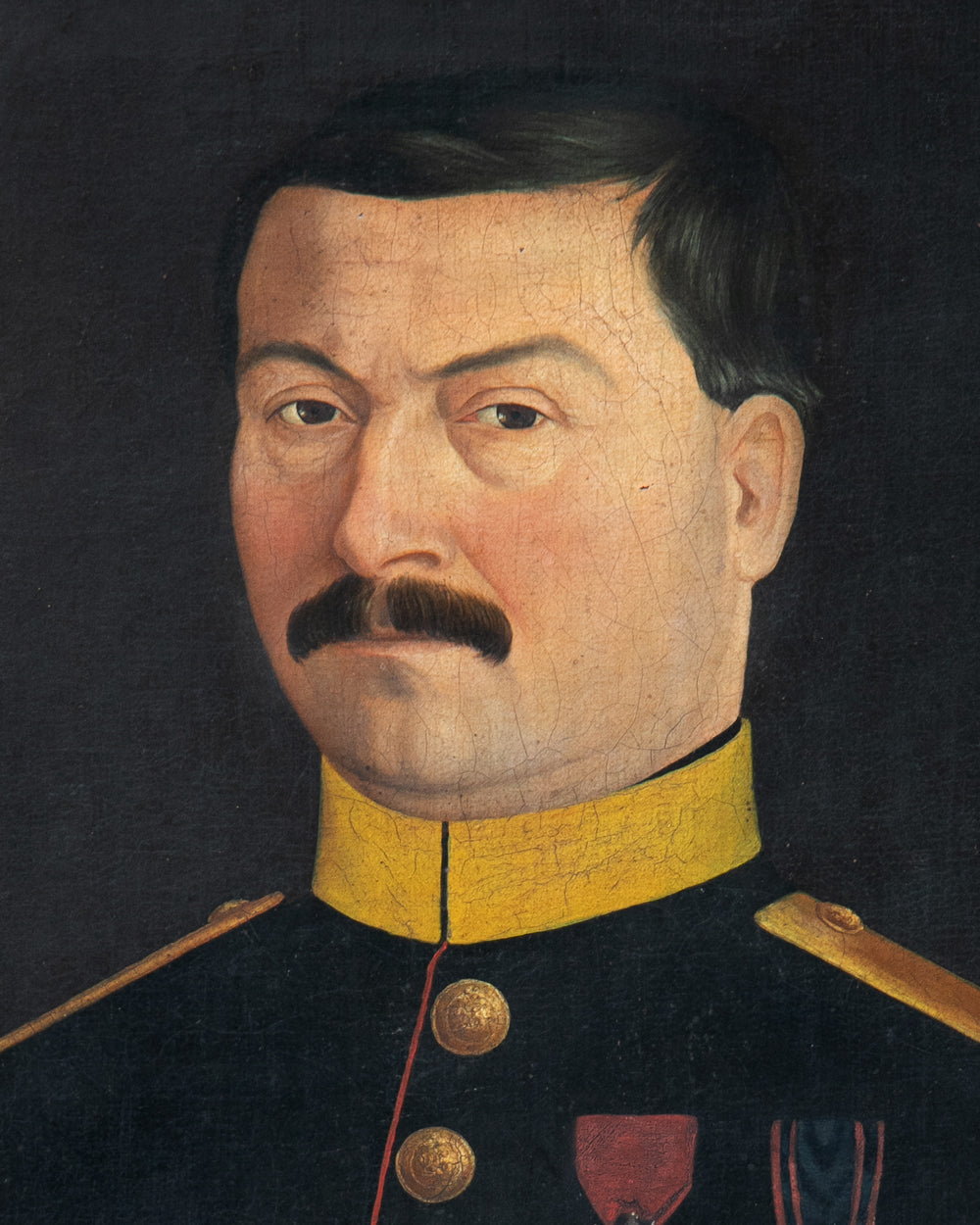
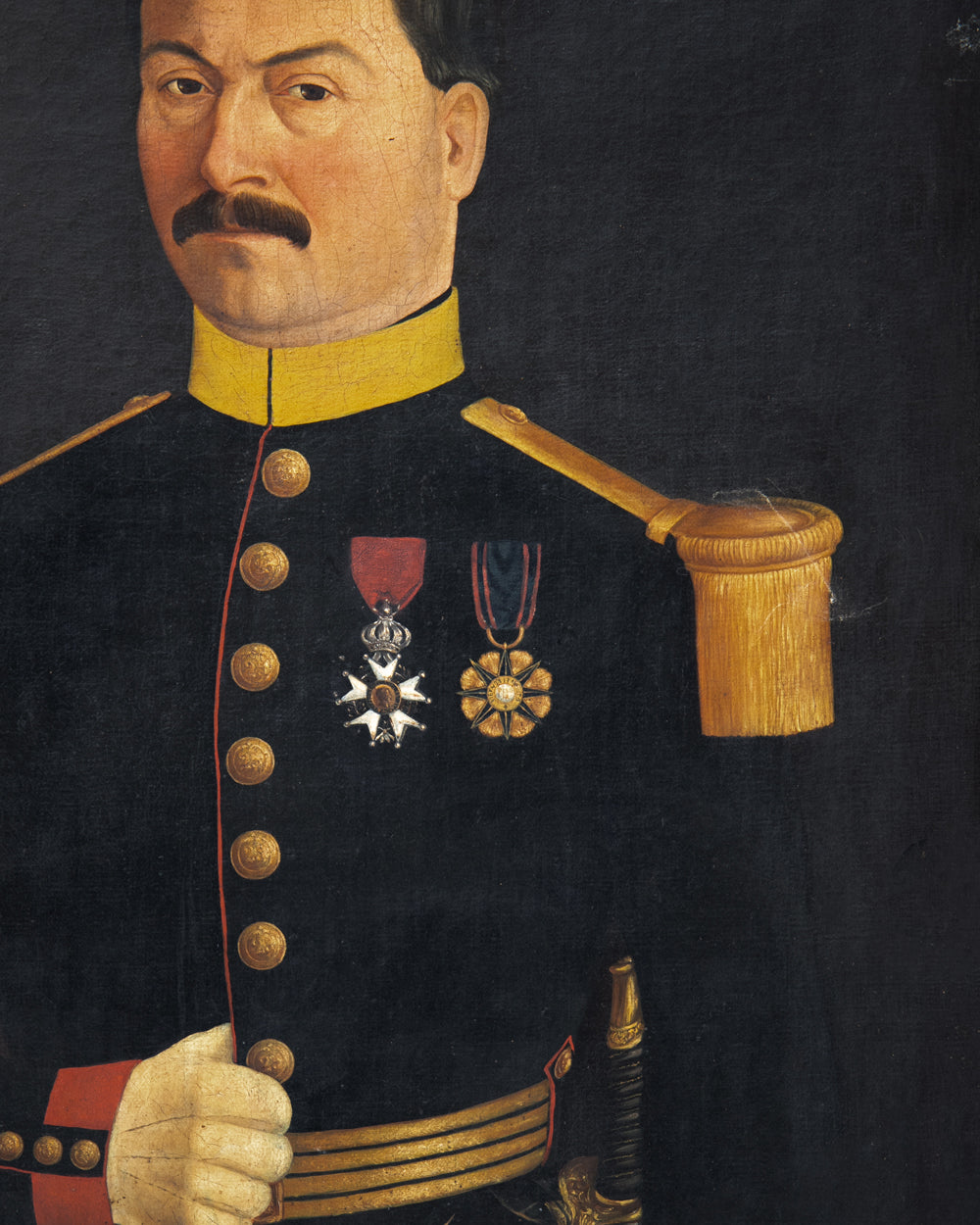
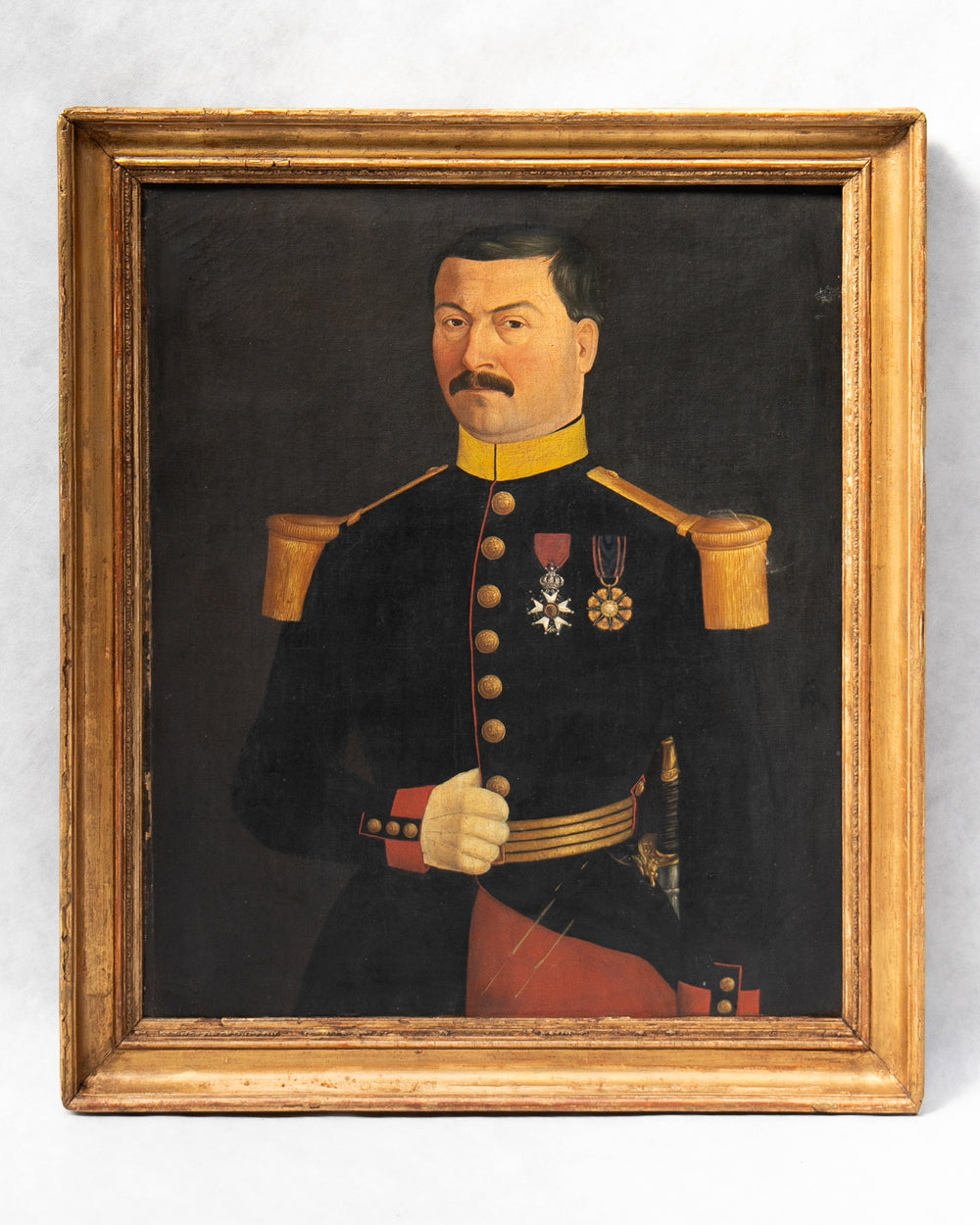
He is a French army officer, painted with a sabre at his hip and a moustache you could set your watch by. He has been given to us in a gloriously cartoony register — the gaze a touch theatrical. And that, we must confess, is exactly why we fell for him. This one has personality — the kind that survives a century and a half and still makes you grin from across a room.
Look closely and his face is webbed with fine craquelure, that delicate map time draws across old oil. On him it doesn't read as age so much as feeling — it softens all the martial swagger into something almost tender. He is formidable, yes. But he is also, somehow, entirely lovable.
Reading the Portrait
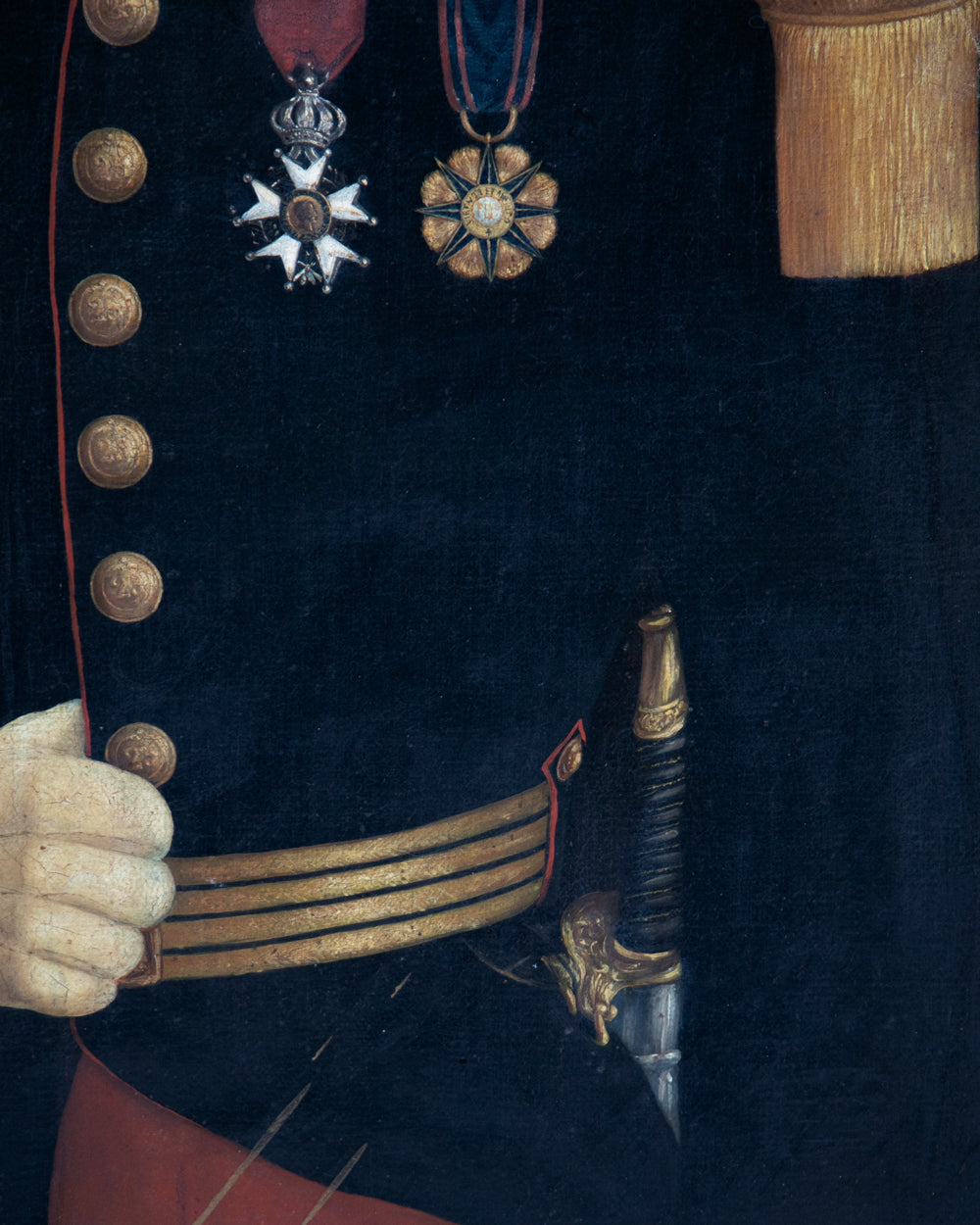
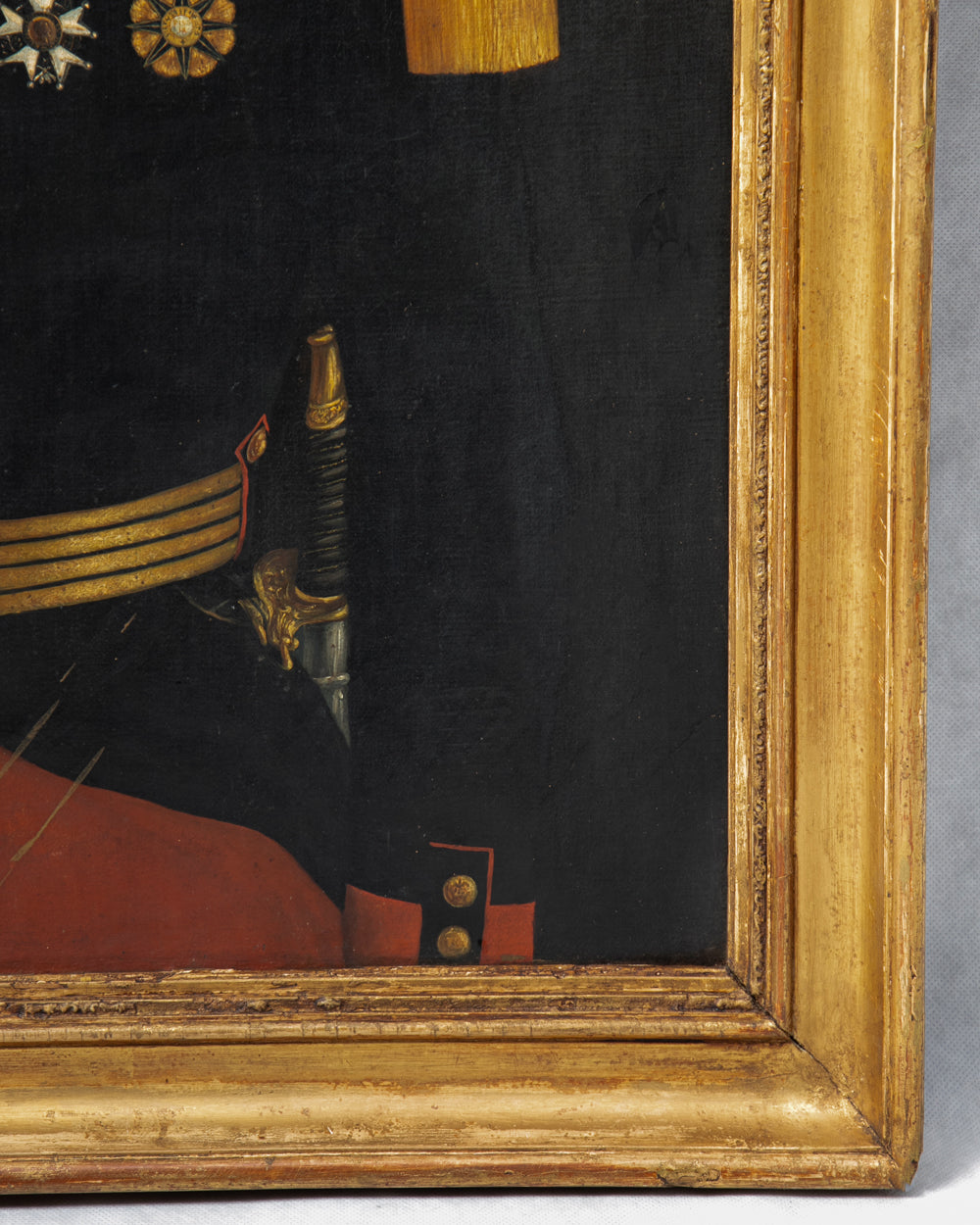
He wears his rank plainly: heavy gold bullion epaulettes, the unmistakable mark of a commissioned officer, and the famous pantalon garance — those splendid red trousers the French army kept right up to the First World War. On his chest, two decorations. The first is instantly recognisable: the Légion d'honneur, France's highest order of merit, founded by Napoleon in 1802 and never handed out lightly — it had to be earned. The second is a golden, radiant star on a dark ribbon: clearly the badge of an order, though painted with enough folk-art freedom that we'll let its exact name stay a mystery.
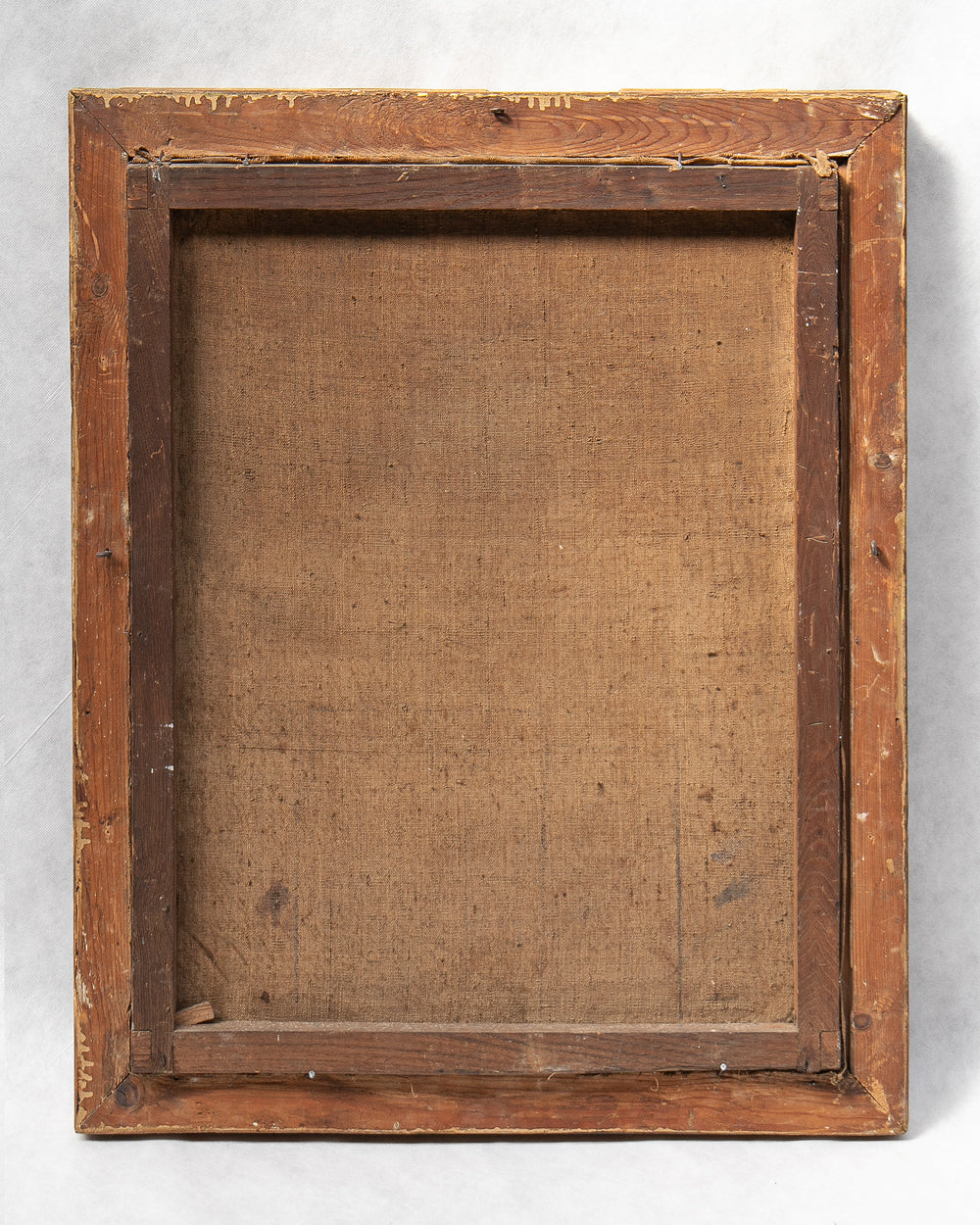
That first medal also tells us his age. Under the empires it wore a crown; the Republic swapped it for a laurel wreath in 1870. His is crowned — so he was painted before then, under Napoleon III's Second Empire, which makes him the senior gentleman of our family, circa 1855–1870. The keyed stretcher and hand-tacked linen on his reverse agree.
A French Tradition: The Portrait in Uniform
Having oneself painted in uniform, at the fin de siècle and before, was far more than vanity. For an officer it was legacy — a formal record of rank, regiment and hard-won honours.
He is unsigned, as these honest, characterful portraits usually are — a close cousin in spirit to our Portrait of a French Military Man by Eugène Leygue, another officer who never learned to take himself too seriously.
His condition?
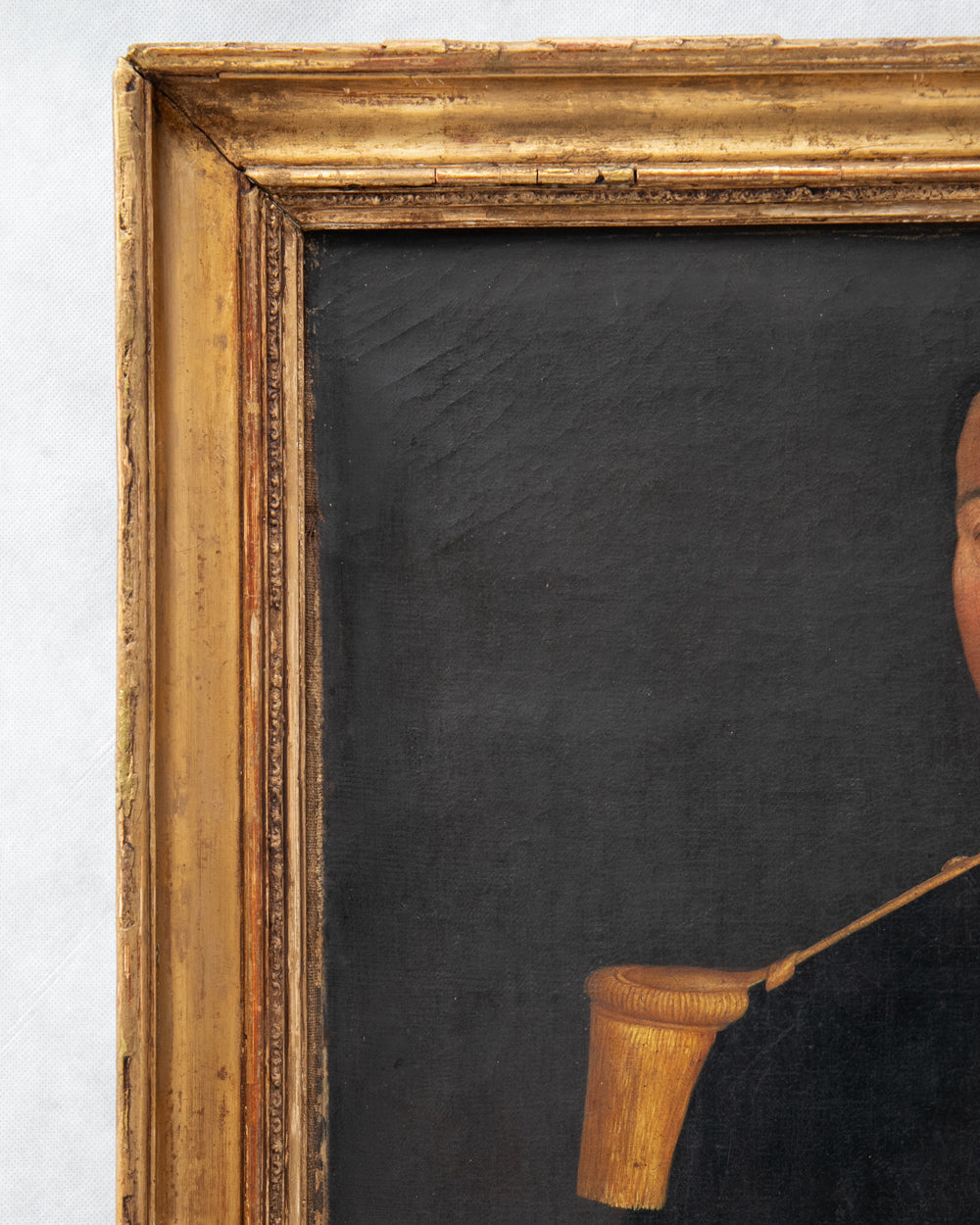
He wears his age gracefully. Overall the portrait is in lovely, stable condition — nothing that distracts from his considerable charm. On closer inspection there are a couple of light scratches to the canvas surface, and two faint diagonal streaks in the lower right that appear to be traces of gold paint (?). Along the left edge, beside the frame, there is some minor paint loss — most likely from the frame itself rubbing against the canvas over the years. Fine craquelure runs throughout, particularly across the face, adding to rather than detracting from his character. The canvas remains on its original keyed stretcher, and the giltwood frame shows honest wear consistent with age. In short: a painting that has lived a long life, and looks all the better for it.
And a small idea, with a wink
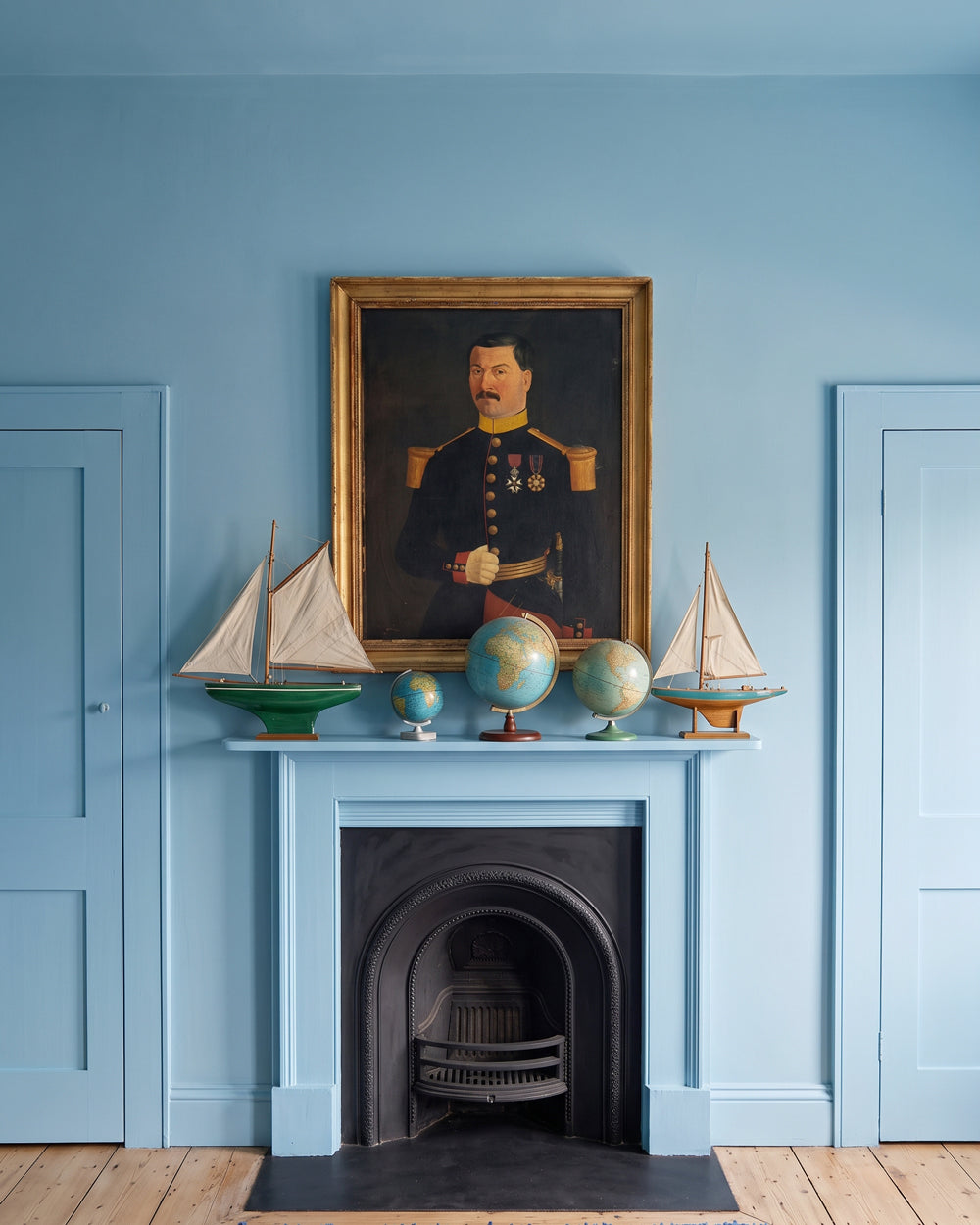
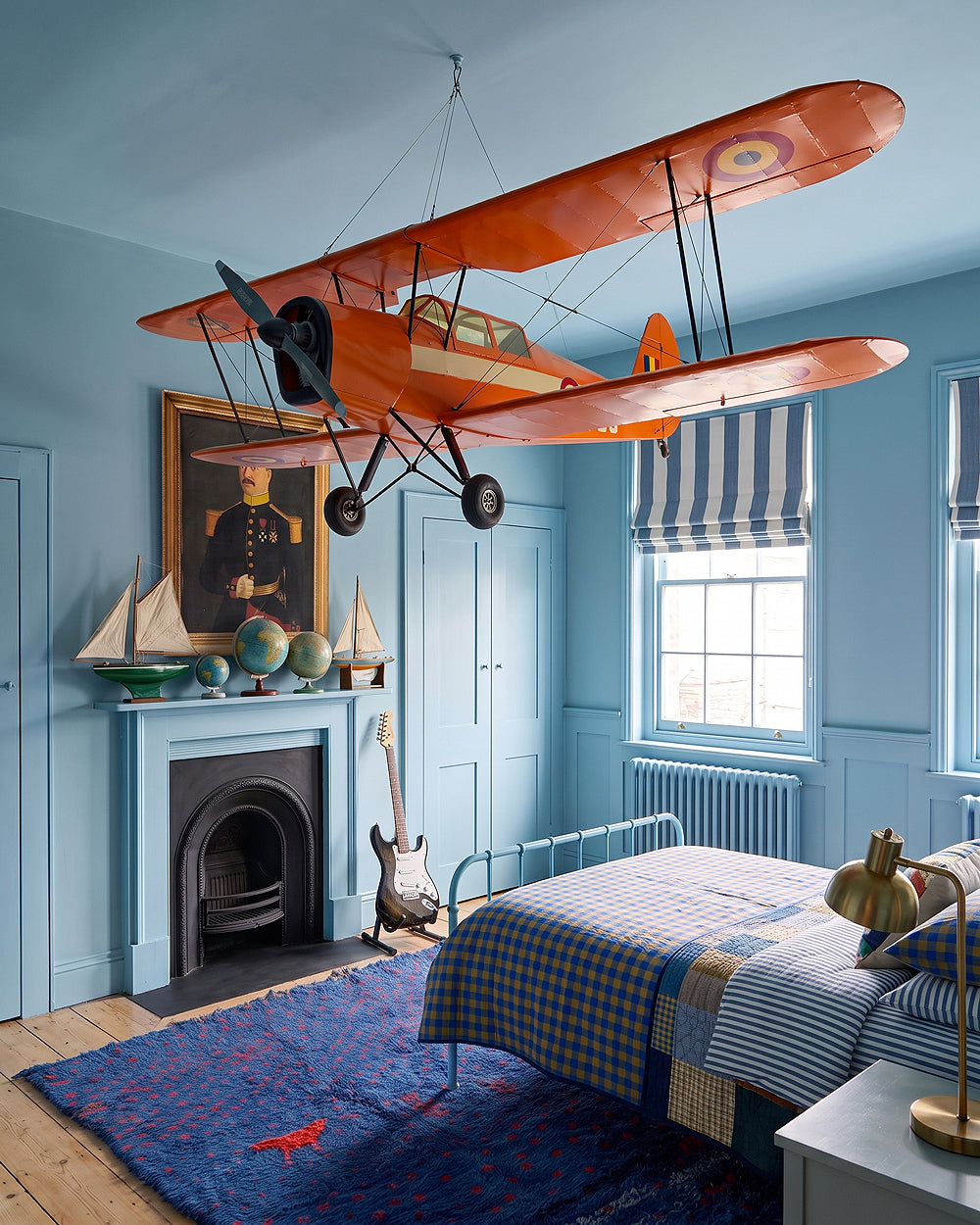
He is marvelous in a child's room. We styled him on the mantel of a sky-blue bedroom, presiding over a model biplane and a squadron of toy sailboats, looking thoroughly delighted. Why raise a child on cheap posters that curl within a year, when you could give them a real painting with a hundred and fifty years of stories in its face? Surround them with the good stuff from the very start. N'est-ce pas?
A French army officer · Légion d'honneur · oil on canvas · France, Second Empire, circa 1855–1870
Product info
TRANSPORT & DELIVERY
Homeware, textiles, candles and other smaller treasures ship at the cost shown at checkout. Free shipping in the Netherlands from €75, and in Belgium and the rest of the EU from €150. Ordering from the US? Import duties are included at checkout — no surprises at your door.
Large and fragile antiques — furniture, paintings, lighting and most mirrors — need custom shipping. Please request a shipping quote before you order, using the Request shipping quote button or by emailing info@wildschut-antiques.com. We pack everything by hand and work with transport partners specialized in arts and antiques.
In or near Amsterdam? Choose pickup at checkout and we’ll arrange a time with you. More details in our Shipping Policy and FAQs.
GENERAL CONDITION
Many of our pieces are antique or vintage, which means they come with a past. Expect the gentle marks of a long life: a knock here, a worn edge there, a patina no factory could fake. We consider that part of their charm.
We clean and restore where needed so every piece is ready for daily life, but we keep restoration to a minimum to preserve its original character. The specific condition of each piece is described above.
PHOTOGRAPHY
Our products are all photographed with care. We do our best to show colours and details accurately. Still, screens differ and daylight plays its own games, so the real colour may vary slightly from what you see online.
Some photos show a piece styled in a setting. Props and decor are for atmosphere only and not included, unless stated otherwise.
Returns
If you wish to cancel, simply contact us at info@wildschut-antiques.com or through your customer account. We will guide you through the return process with care and clarity.
Items should be returned in their original condition and securely packaged. Return shipping costs are the responsibility of the customer, unless otherwise agreed. Once the item has safely returned to us, we will process your refund promptly.
CONTACT
Questions? Don’t hesitate to contact us. We’re always happy to help, and to get your antiques safely home.
Choose options