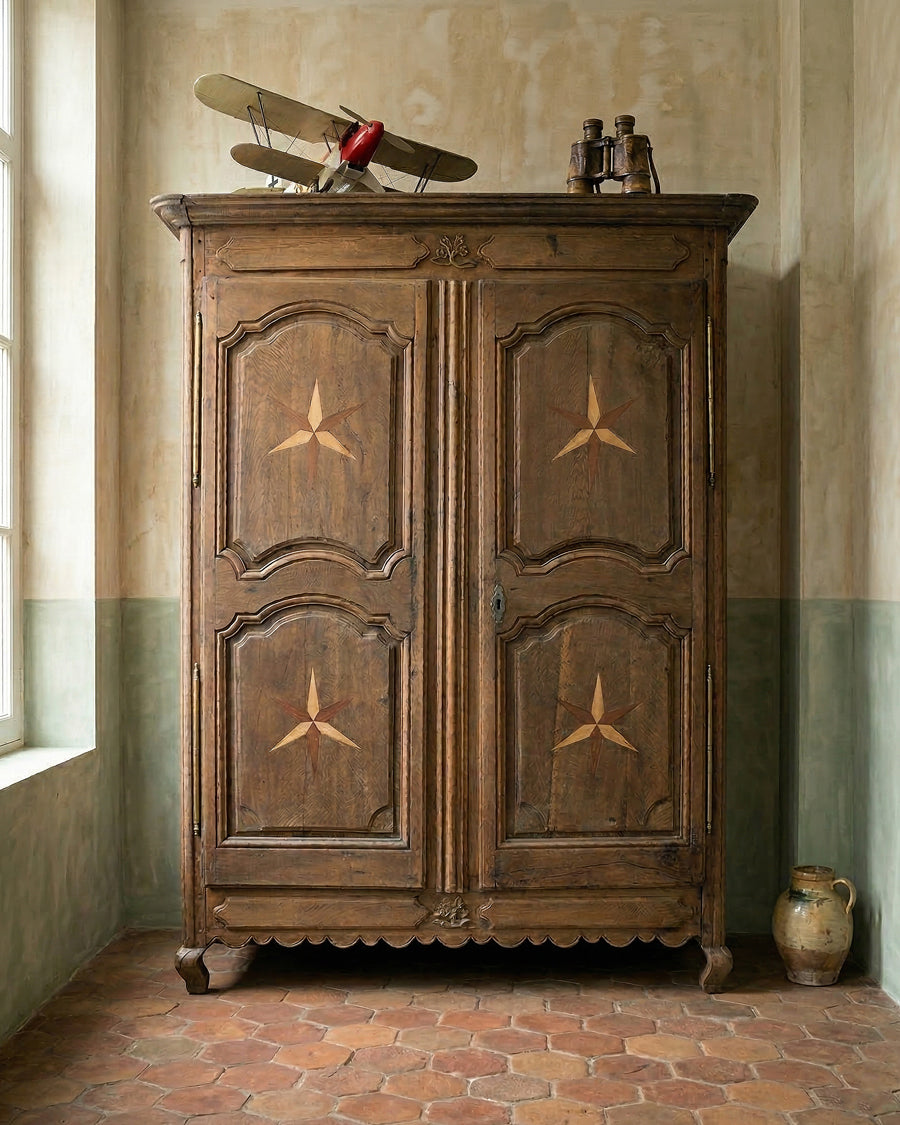
Feng Shui & Antiques
Feng Shui & Antiques: Harmony, Energy, and How to Use Them Without Summoning Ghosts
Do Antiques Have Energy?
Short answer: absolutely. Long answer: every object has energy, from your grandma’s silver spoon to your supermarket vase. But antiques, having lived full, mysterious lives before they reached you, tend to hold a bit more emotional luggage.
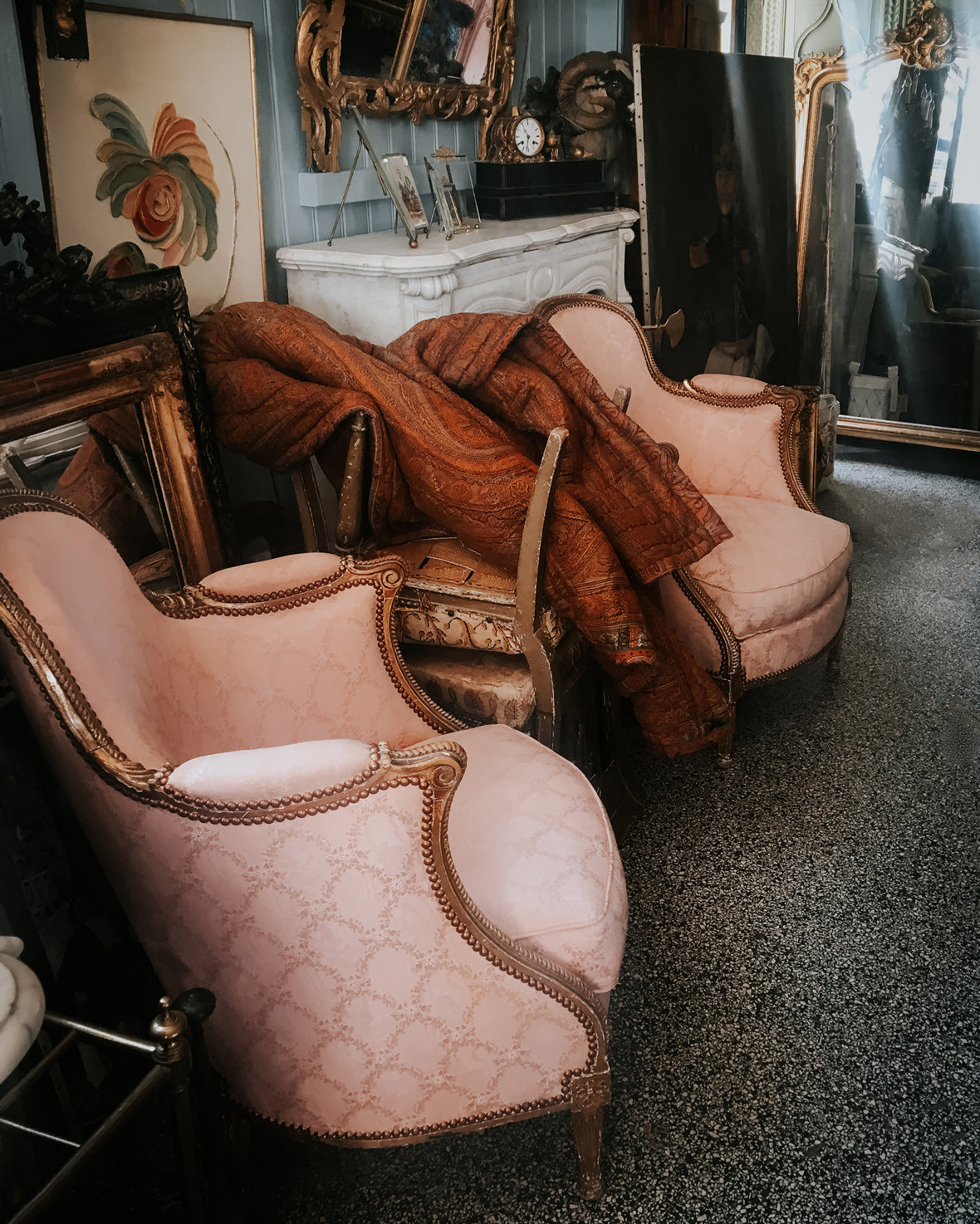
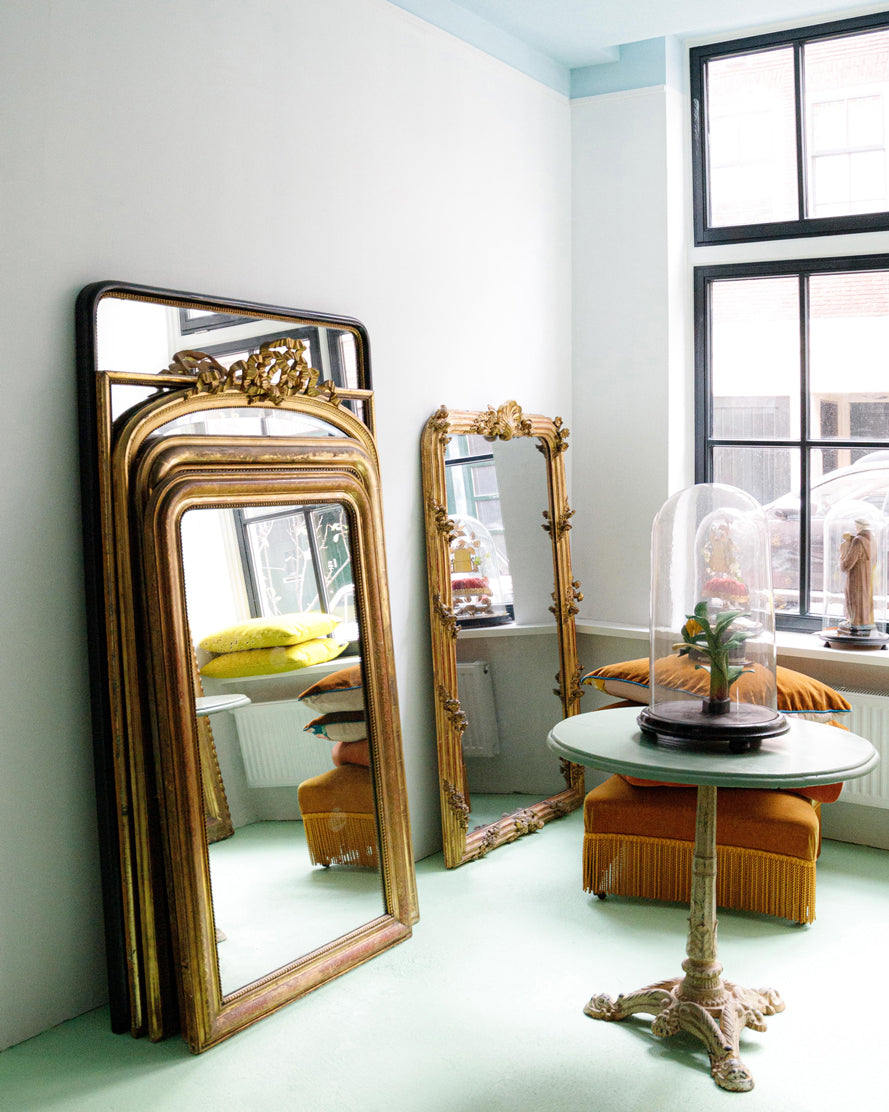
That can be wonderful—a velvet fauteuil that radiates elegance, a mirror that seems to remember things. But yes, it can also feel… intense. A little too moody. Maybe a touch haunted (not literally, we hope).
This is where a good energy cleanse—and your own instincts—come in.
Are Antiques Bad Feng Shui?
Not even close. But like anything with character, they need to be treated right.
Antiques can enhance feng shui when:
-
They make your heart skip a beat (in a good way)
-
They have a light, joyful or emotionally neutral presence
-
They’re well-maintained and styled with intention
-
They work with your space’s bagua (feng shui energy zones)
But antiques can disrupt feng shui when:
-
They feel gloomy, stuck, or too heavy
-
They’re chipped, damaged, or unloved
-
They’re stuck in cluttered corners with no purpose
-
You keep them out of guilt (family heirloom trauma, anyone?)
Trust your gut. If something feels “off,” even if it’s rare or expensive, it might not be right for you. Antiques don’t mind—they’ve had a few breakups before.
So… What’s the Right Way to Use Antiques in Feng Shui?
Let’s break it down.
1. Cleanse the Energy
No, not with holy water. Just give them a proper welcome:
-
Smoke cleansing (sage, palo santo, or good old Dutch mugwort)
-
Sound (bells, bowls, Beyoncé—whatever lifts the mood)
-
Salt (a bowl nearby to absorb old vibes)
-
Moonlight (for the poetic types)
-
Intention setting (simply thank the piece and invite it in)
Think of it like an energetic dust-off. Some antiques just need to be told it’s OK to relax now.
PSA: If you buy from us, this part’s already done.
Every piece in our collection has been lovingly chosen, beautifully restored, and energetically cleaned before it ever hits our showroom floor. We do the smoke-waving, salt-placing, spirit-whispering bit so you don’t have to. This article is more for the treasure-hunters, market-lurkers, or anyone living with antiques that didn’t come through our very thorough energy spa.
2. Place with Purpose (and the Bagua Map)
In feng shui, different zones of your home correspond to different life areas. Match the antique to the mood:
-
A wooden chest in the family zone (East) = roots and connection
-
A metal wall sculpture in helpful people zone (Northwest) = support and clarity
-
A ceramic lamp in the knowledge zone (Northeast) = wisdom and calm
Feel free to bend the rules a little—feng shui is about flow, not furniture dictatorship.
3. Let it Breathe
Don’t suffocate your antiques. They’re not into cramped corners or being buried in clutter. Give them room to shine—and for energy to circulate.
4. Add Life
Antiques pair beautifully with plants, natural light, and airflow. A leafy philodendron next to a moody commode? Perfect. You’re creating balance, not a museum.
5. Listen to the Vibe
Some pieces carry history. That’s the charm. But if a chair makes your skin crawl or a mirror gives off “Don’t Look Now” vibes, trust yourself. Cleanse it. Move it. Or—gasp—rehome it. Not every antique is meant to stay in your story.
Final Thoughts: Antiques as Energy Anchors
In feng shui, the goal is flow, harmony, and a space that truly supports you. Antiques, when thoughtfully chosen and placed, bring a depth and grounding that no flat-packed furniture ever could. They offer presence. Texture. Soul.
So yes—some antiques might come with a bit of energetic baggage. But with a little care (and maybe a salt bowl or two), they’ll settle in like old friends. Beautiful, imperfect, and just a little magic.