Article: Het Parool - Een van de laatste antiquairs verlaat na 27 jaar de Jordaan
Het Parool - Een van de laatste antiquairs verlaat na 27 jaar de Jordaan
Een van de laatste antiquairs verlaat na 27 jaar de Jordaan: ‘Amsterdam verandert – misschien moeten wij dat gewoon accepteren’
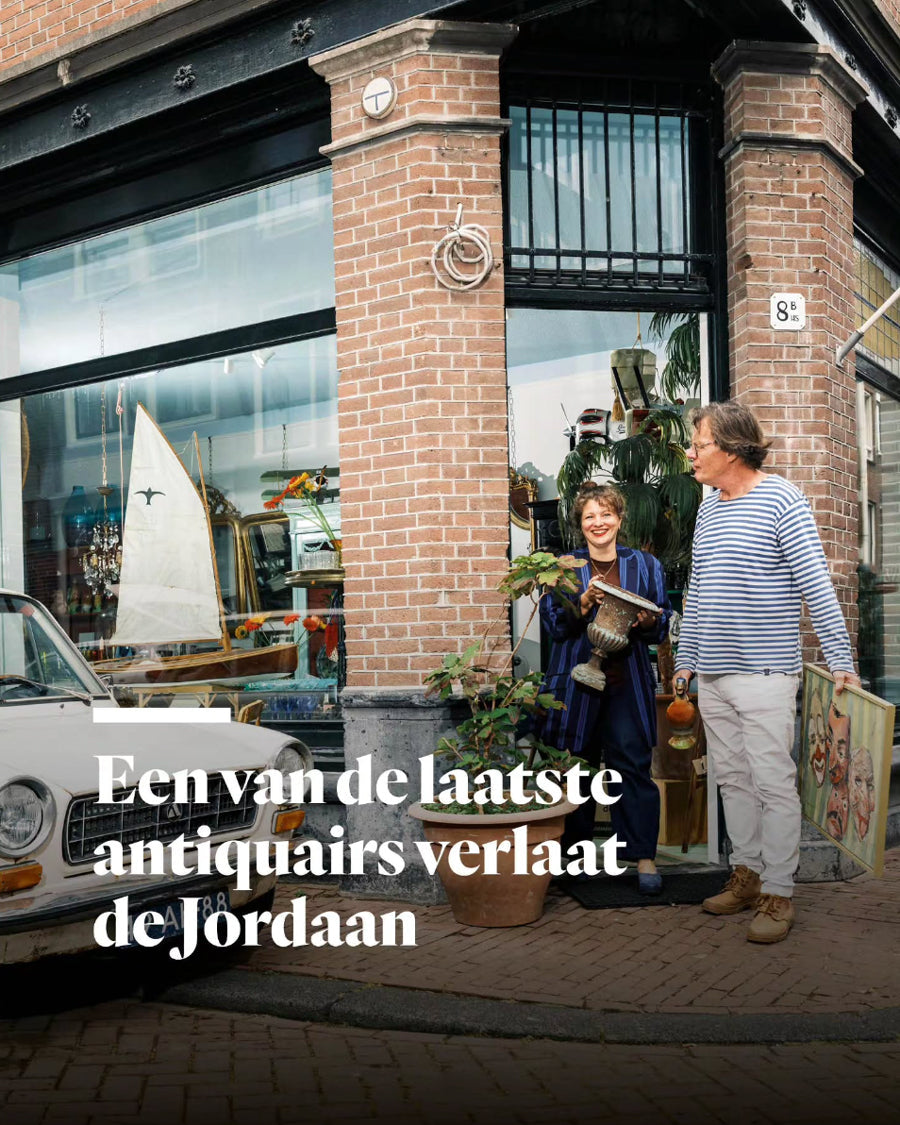
Na bijna drie decennia sluiten Michiel Wildschut (63) en Baukje Stamm (45) hun antiekzaak in de Jordaan. De zaken gaan goed, dat is het probleem niet – maar de winkel in Amsterdam werkt niet meer.
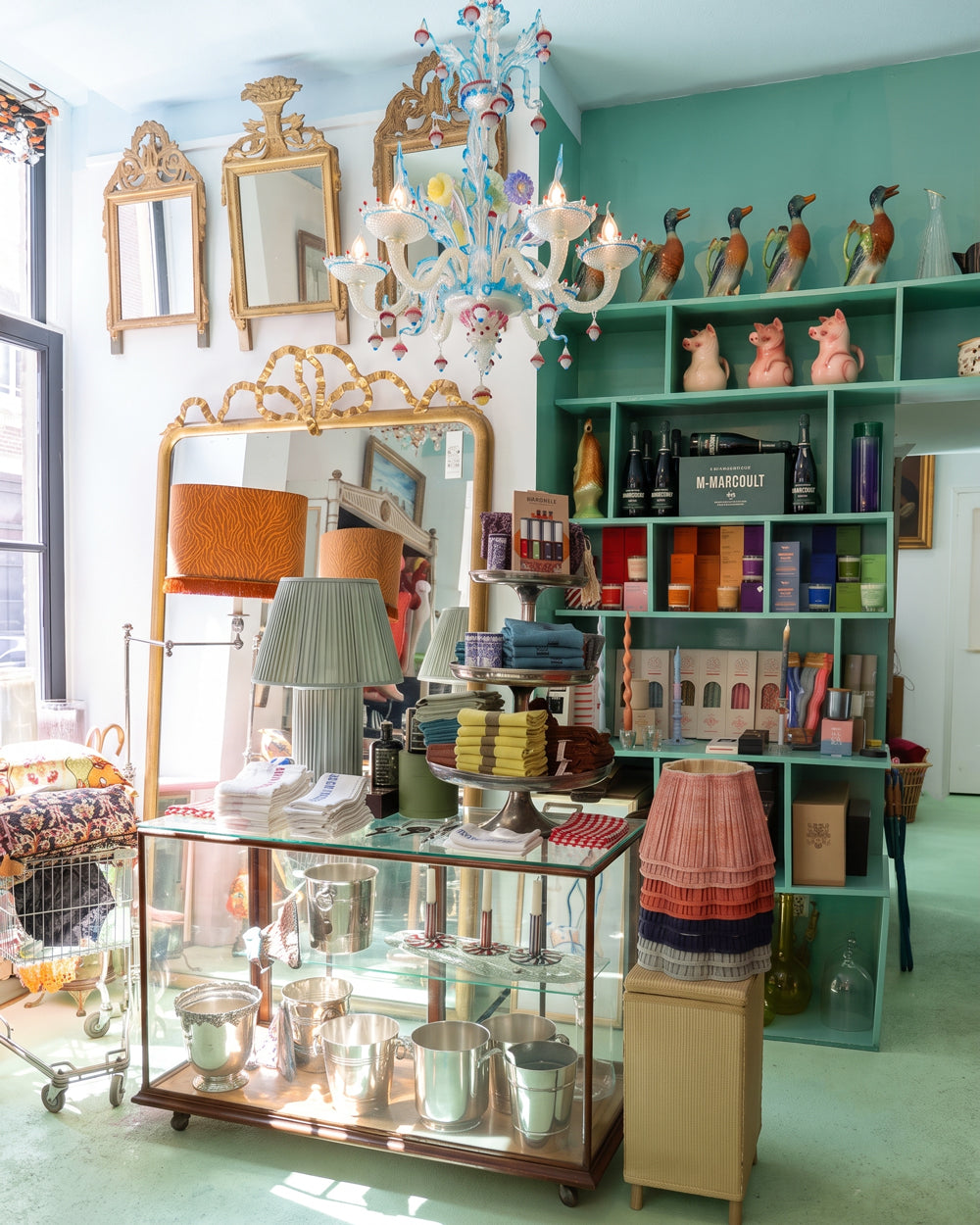
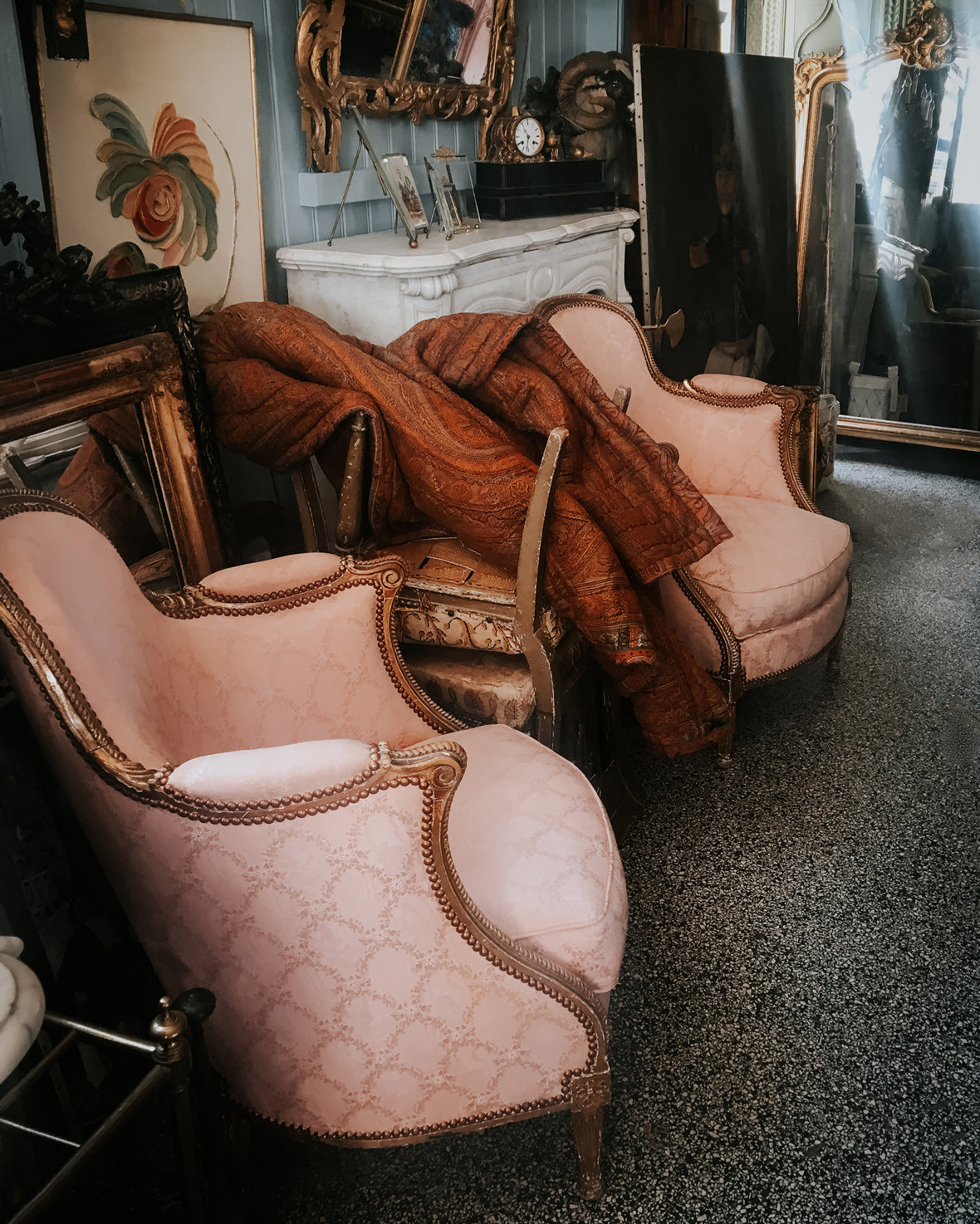
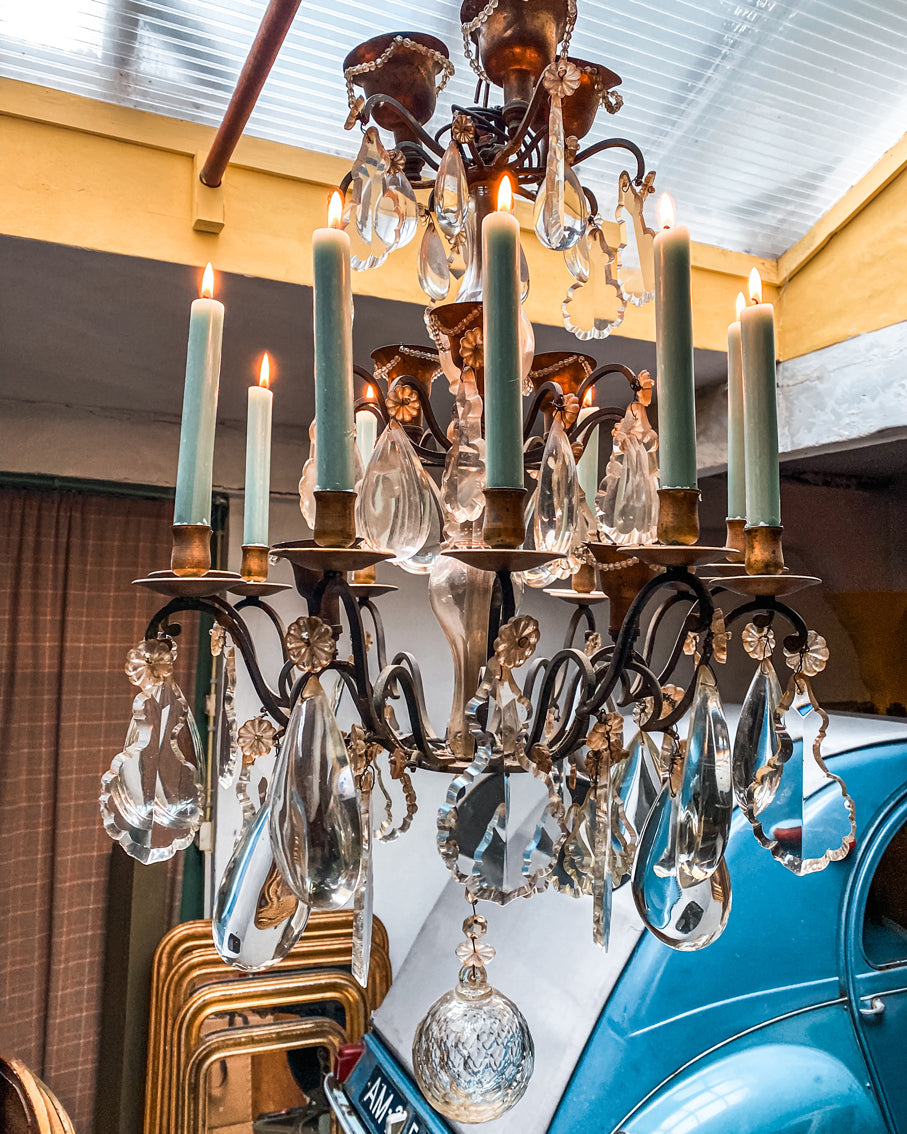
Wat antiquair Michiel Wildschut het liefste verkoopt? “De spullen die ik zelf mooi vind,” zegt hij lachend, terwijl hij een zilver dienblad in krantenpapier inpakt op de allerlaatste dag dat zijn winkel open is. “Oude dingen met gebruikssporen, maar die je wel ergens voor gebruikt. Kasten, spiegels, kroonluchters, glaswerk. Spullen waar je mee leeft, niet alleen naar kijkt. En dat blijven we gewoon verkopen. Maar niet meer hier in Amsterdam.”
Wildschut is zo’n drie decennia zelfstandig antiquair, nadat hij een periode bij veilinghuis Christie’s werkte. Eerst in antiekcentrum De Looier op de Elandsgracht, later trok hij in de hoekwinkel in de Eerste Looiersdwarsstraat. De zaken liepen in de beginjaren ontzettend goed, zegt hij. “Mijn klanten waren veel gay mannen, grappig genoeg. Mannen met geld die wat meer durven – ook qua interieur. Soms verkocht ik mijn hele winkel in één week leeg. Maar dat veranderde in 2008, met de financiële crisis.”
Veel mensen hadden geen geld meer over voor kasten van een paar duizend euro of glaswerk voor een paar tientjes per stuk. “Veel antiquairs hielden er in die tijd mee op. Hier in dit stukje Jordaan zaten veel meer winkels zoals de mijne. Maar nu ben ik een van de laatsten.”
Gelukkig was vlak daar ineens een nieuwe overbuurvrouw: Baukje Stamm (inmiddels Wildschut-Stamm). Zij wist zich wel raad met de onderneming van Michiel, en het stel werd ook nog eens verliefd. Sindsdien runnen ze de boel samen. Baukje: “Ik heb een achtergrond in de film en reclame, dus we begonnen spullen uit te lenen voor opnames. En ik heb de website opgezet. Inmiddels verschepen we veel naar het buitenland. Dat gaat heel goed – dat is dus ook niet de reden dat we de winkel sluiten.”
Wat dan wel? Baukje: “Na een paar jaar in de winkel begon het me op te vallen hoe verschillend mensen uit andere landen op ons reageren. Fransen: love them. Zij zijn gewend aan de waarde van antiek en de hogere prijzen die daarbij horen. Britten zijn heel geïnteresseerd in de verhalen achter objecten. En ze houden ook meer van onze stijl: wat uitbundiger, met veel kleur. Amerikanen – die vinden bijna alles wat oud is geweldig. Maar Nederlanders...”
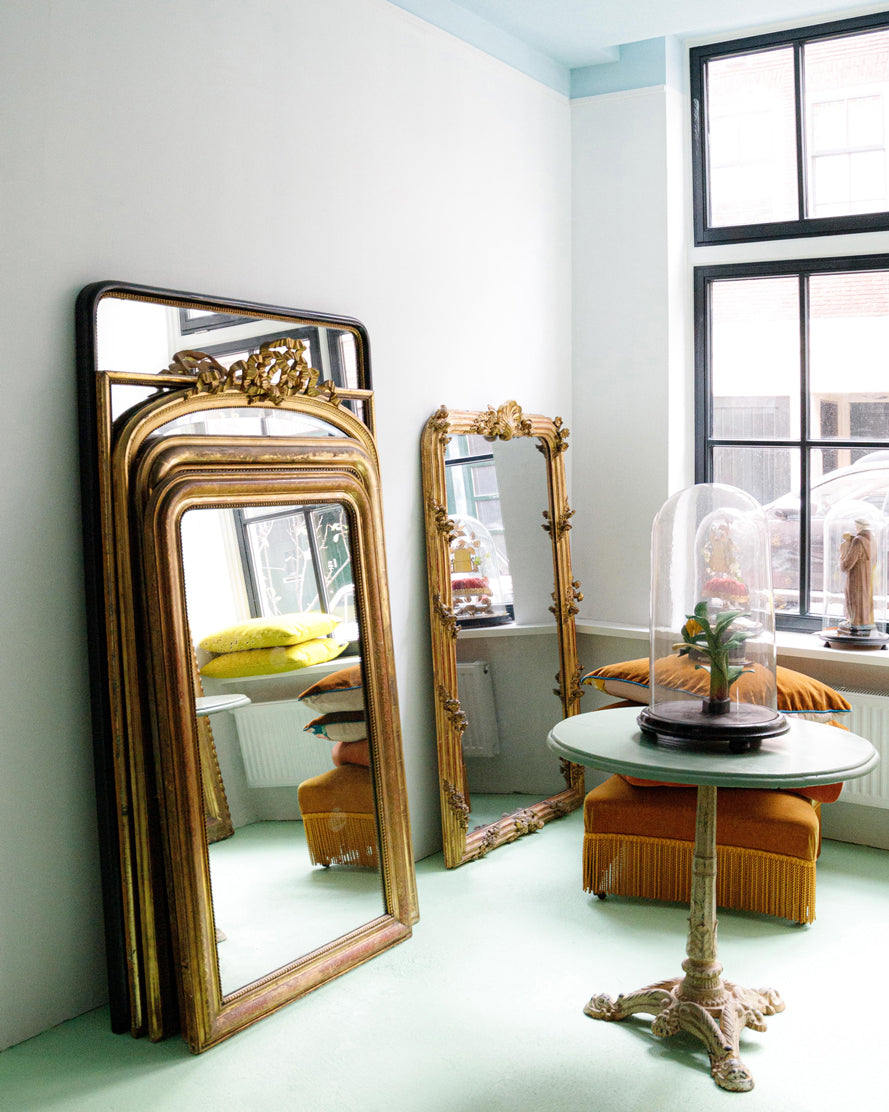
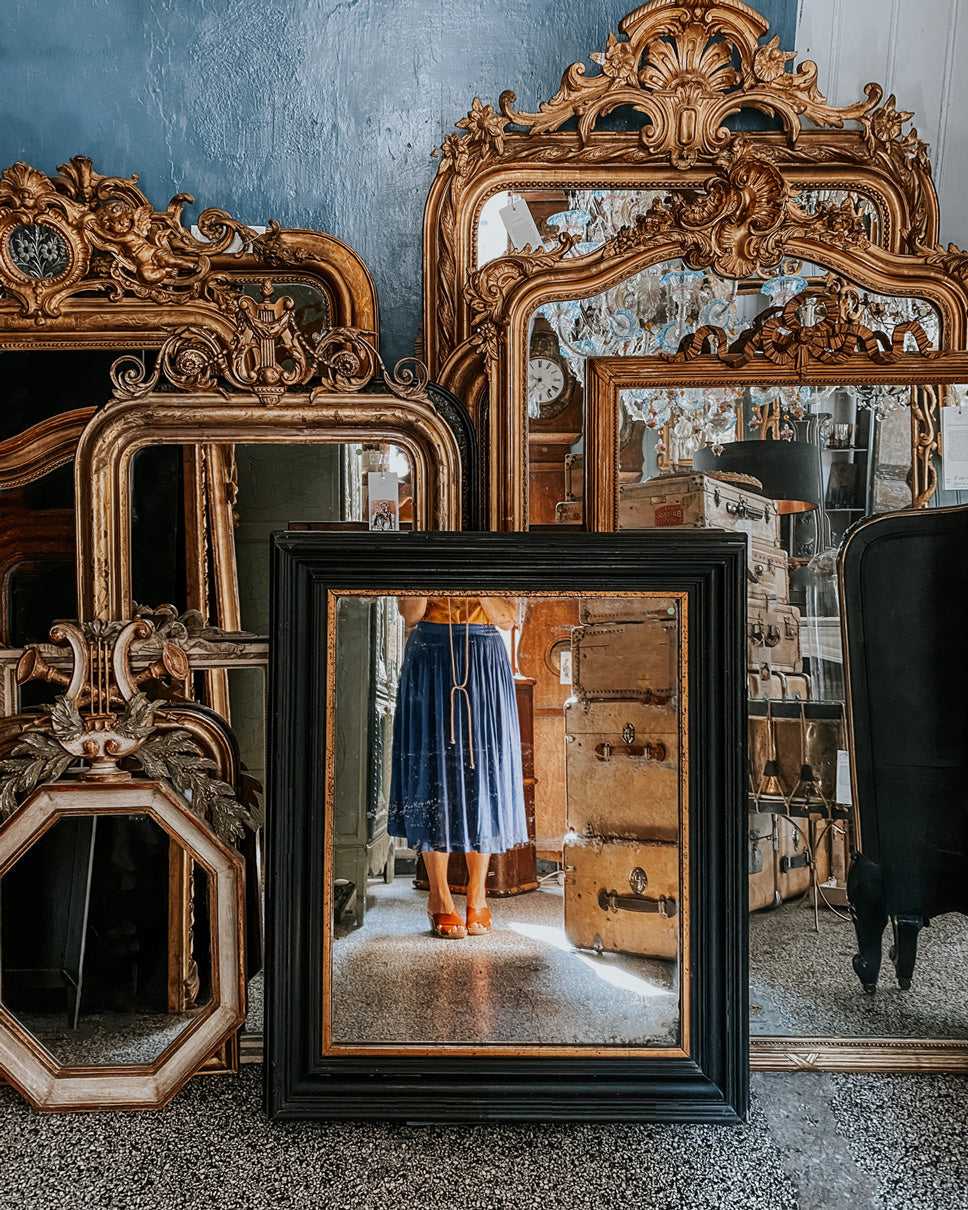
Michiel: “Ken je Club Med? Die vakanties waarbij iedereen precies dezelfde ervaring krijgt? Dat willen Nederlanders. Eenheidsworst. Allemaal hetzelfde, voor de laagste prijs. Ze stellen ook geen vragen. Ik snap best dat iemand schrikt van de 2750 euro die ik vraag voor die spiegel daar verderop. Maar in plaats van te roepen: ‘veel te duur!’, kan je ook vragen: hoe komt u bij die prijs? En dan kan ik uitleggen hoe bijzonder dit formaat is, of dat ‘ie meer dan honderdvijftig jaar oud is. Dan hoef je het nog steeds niet te kopen, maar hebben we tenminste een leuk gesprek.”
Baukje: “Het komt erop neer dat onze clientèle hier niet meer loopt. Dat komt naast een verandering van smaak doordat het middensegment grotendeels verdwenen is, denken wij. Mensen kopen óf heel goedkoop bij Ikea, óf heel exclusief bij een designmerk. Bovendien wonen veel Amsterdammers kleiner, met ingebouwde kasten. Dan zet je niet snel een antieke linnenkast neer.”
Zo komt het voor dat Baukje soms een hele dag in de winkel staat om een paar kaarsen af te rekenen, terwijl ze online overlegt met een Amerikaanse klant over een compleet interieur. “Die twee werelden zijn te ver uit elkaar gaan lopen. En dus hebben we besloten ermee te stoppen.”
Wildschut Antiques is bepaald niet de enige antiekwinkel die ermee ophoudt. In Nederland is het aantal antiekzaken de afgelopen vijftien jaar grofweg gehalveerd: begin dit jaar telde het CBS 660 zaken, tegenover 1305 stuks begin 2011. En ook het om antiek bekend staande Amsterdamse Spiegelkwartier worstelt al jaren met een leegloop van beroemde handelaren.
Baukje: “Natuurlijk vind ik dat heel jammer, ik ben zelf dol op authentieke winkels. Maar ik denk ook: mensen staan niet voor niets overal in de rij voor al die eetzaken hier in de buurt. De stad verandert – en misschien moeten wij dat ook gewoon accepteren.”
En hoewel Michiel de sluiting ‘een bevrijding’ noemt, doet het ergens natuurlijk ook wel een tikje pijn. De winkel was in die drie decennia namelijk uitgegroeid tot veel meer dan dat, blijkt wel uit de vele buurtbewoners die afscheid komen nemen.
Een oudere heer staat voor de etalage, kijkt de eigenaars sip aan en maakt een hartje met zijn handen. Een buurvrouw met peuter op de arm vraagt verbijsterd waar ze in hemelsnaam heengaan (Frankrijk, waar ze al jaren inkopen doen en een groot pand willen bemachtigen dat tegelijk showroom, opslag en fotolocatie kan worden). Buurtbewoner Hans: “Dit is geen antiekwinkel, dit zijn vrienden. Ik kom hier vaak voor een kop koffie, we drinken een wijntje voor de deur, of ik kom gewoon even kletsen.”
Michiel: “Ik zeg vaak dat ik Amsterdam niet zal missen. En tegelijkertijd ben ik als de dood dat dat toch gebeurt.”
Geschreven door Hannah Stöve, foto's door Jakob van Vliet. Gepubliceerd in het Parool op 19 augustus 2026.

One of the last antique dealers leaves the Jordaan after 27 years: ‘Amsterdam is changing – perhaps we simply have to accept that’
After almost three decades, Michiel Wildschut (63) and Baukje Stamm (45) are closing their antique shop in the Jordaan. Business is doing well, so that’s not the problem. The problem is that the shop no longer works in Amsterdam.
What does antique dealer Michiel Wildschut most like to sell? “Things that I personally like,” he says with a laugh, as he wraps a silver tray in newspaper on the very last day his shop is open. “Old things with signs of use, but things that actually serve a purpose. Cabinets, mirrors, chandeliers, glassware. Things you live with, rather than simply look at. And we’ll continue selling those things. Just not here in Amsterdam.”
Wildschut has been working as an independent antique dealer for around three decades, after spending some time at the auction house Christie’s. He started out at the De Looier antiques centre on Elandsgracht, and later moved into the corner shop on Eerste Looiersdwarsstraat. Business was extremely good in the early years, he says. “A lot of my customers were gay men, funnily enough. Men with money who were a little more daring, including when it came to interiors. Sometimes I would sell out my entire shop in a single week. But that changed in 2008, with the financial crisis.”
Many people no longer had money left for cabinets costing several thousand euros or glassware costing a few dozen euros apiece. “A lot of antique dealers gave up during that period. There used to be many more shops like mine in this little part of the Jordaan. But now I’m one of the last.”
Fortunately, a new neighbour moved in just across the street: Baukje Stamm (now Wildschut-Stamm). She knew exactly what to do with Michiel’s business, and the two also fell in love. They have been running the business together ever since.
Baukje: “I have a background in film and advertising, so we started lending pieces out for productions. And I set up the website. By now, we ship a lot abroad. That’s going very well, so that’s not the reason we’re closing the shop either.”
So what is the reason?
Baukje: “After a few years in the shop, I began noticing how differently people from other countries respond to us. The French: love them! They are used to the value of antiques and the higher prices that come with them. The British are very interested in the stories behind objects. And they also like our style more: a little more exuberant, with lots of colour. Americans find almost anything old wonderful. But the Dutch…”
Michiel: “Do you know Club Med? Those holidays where everyone gets exactly the same experience? That’s what Dutch people want. Mass-produced sameness. Everything the same, at the lowest possible price. They don’t ask questions either. I completely understand that someone might be shocked by the €2,750 price tag on that mirror over there. But instead of shouting, ‘Way too expensive!’, you could also ask: how did you arrive at that price? Then I can explain how unusual the size is, or that it’s more than 150 years old. You still don’t have to buy it, but at least we’ve had an interesting conversation.”
Baukje: “Ultimately, it comes down to the fact that our clientele simply doesn’t come through here anymore. We also think this is partly due to a change in taste, as the middle market has largely disappeared. People either buy very cheaply at Ikea, or go completely upmarket with a design brand. On top of that, many Amsterdammers live in smaller homes, with built-in cupboards. You’re not very likely to put an antique linen cupboard in there.”
As a result, Baukje sometimes spends an entire day in the shop just ringing up a few candle sales, while simultaneously discussing an entire interior with an American customer online.
“Those two worlds have drifted too far apart. And so we decided to stop.”
Wildschut Antiques is certainly not the only antique shop to close its doors. In the Netherlands, the number of antique shops has roughly halved over the past fifteen years: at the beginning of this year, Statistics Netherlands (CBS) counted 660 shops, compared with 1,305 at the beginning of 2011. And Amsterdam’s Spiegelkwartier, long renowned for its antique dealers, has also been struggling with an exodus of famous dealers for years.
Baukje: “Of course I find that very sad. I absolutely love authentic shops myself. But I also think: people aren’t queuing up outside all those restaurants and food places in this neighbourhood for no reason. The city is changing, and perhaps we simply have to accept that.”
And although Michiel calls the closure “a liberation”, it naturally hurts a little too. Over those three decades, the shop had grown into much more than just a shop, as is clear from the many local residents who come to say goodbye.
An older gentleman stands outside the window, looks sadly at the owners and makes a heart shape with his hands. A neighbour with a toddler on her arm asks, bewildered, where on earth they are going. France, where they have been buying antiques for years and where they hope to acquire a large property that can serve simultaneously as a showroom, storage space and photography location.
Neighbour Hans: “This isn’t an antique shop. These are friends. I come here often for a cup of coffee, we have a glass of wine outside, or I just pop in for a chat.”
Michiel: “I often say that I won’t miss Amsterdam. And at the same time, I’m terrified that I actually will.”
Written by Hannah Stöve, photographs by Jakob van Vliet. Published in het Parool on 19 August 2026.